Dubai attracts entrepreneurs with its business-friendly environment, global market access and flexible company formation options. For Entrepreneurs and startups, setting up a free zone company can be a practical way to start in the UAE market.
Dubai free zone company setup costs depend on the chosen jurisdiction, business activity, trade licence, office requirements, visa allocation, and additional services.
Understanding the costs in advance helps businesses plan budgets, compare free zones, and avoid unexpected expenses. This guide covers setup fees, visa costs, popular free zones and ongoing expenses.
What Is a Free Zone in Dubai?
A free zone is a designated economic area established to attract businesses and investment. Each free zone operates under its own authority, with specific licensing rules, business activities and registration requirements.
Free zones are particularly attractive to international entrepreneurs because they generally allow 100% foreign ownership, offer different office arrangements and provide access to industry-specific business communities.
Depending on the jurisdiction and licence, businesses can operate in sectors such as trading, consulting, technology, logistics, healthcare, media and financial services.
How Much Does It Cost to Set Up a Free Zone Company in Dubai?
The first-year Dubai free zone company setup cost can range from about AED 12,000* to AED 30,000* or more for many basic setups, depending on the package and inclusions you choose. Premium jurisdictions, specialised business activities, dedicated office spaces and additional visas can increase the total.
Some UAE free zones outside Dubai advertise lower entry-level packages, so they may be worth considering if your business doesn’t specifically require a Dubai jurisdiction.
The overall UAE free zone company setup cost typically includes the following components:
- Trade licence and registration fees
- Company incorporation and administrative charges
- Registered office or workspace
- Investor visa and employee visa expenses, if required
- Establishment card and immigration-related charges, where applicable
- Optional business setup consultancy and compliance services
The figures in this guide are indicative planning estimates, not fixed quotations. Actual fees depend on the free zone authority, business activity, package terms and applicable government charges.
Dubai Free Zone Company Setup Cost Breakdown
Before selecting a free zone, it is useful to understand how the main expenses contribute to your initial investment.
1. Free Zone Licence Cost in Dubai
A trade licence authorises your company to conduct the approved business activities. The licence category and number of permitted activities can affect the price.
Free zone licence costs in Dubai can vary significantly between authorities. A basic licence for a small consultancy or service business may cost less than a licence for a trading company requiring additional approvals or facilities.
Here is an indicative comparison of selected free zones and their advertised or estimated starting costs.
| Free Zone | Indicative licence or entry-level cost (AED*) | Suitable for |
| IFZA | 12,000–25,000 | Startups, SMEs and professional services |
| RAKEZ | From approximately 5,700 | Startups, trading and industrial businesses |
| Ajman Free Zone | From approximately 5,600 | Small businesses, trading and warehousing |
| DMCC | 15,000+ | Commodities, trading and international businesses |
| DIFC | 20,000–40,000+ | Financial and professional services |
| DWTC Free Zone | 12,300–35,000 | Professional services, technology and events |
| Meydan Free Zone | 12,500–27,540 | Digital businesses, consulting and entrepreneurs |
Note: These are indicative estimates and may vary by licence or package. Confirm current prices with the relevant authority. Check whether registration, address, flexi-desk, visa eligibility and mandatory fees are included.
2. Company Registration and Administrative Fees
In addition to the licence, a free zone authority may charge fees for company registration, trade name approval, documentation, and incorporation.
These charges may be included in a bundled package or billed separately.
For preliminary budgeting, allow approximately AED 3,000* to 5,000* for registration and administrative expenses where they are not already included. The actual amount depends on the authority and company structure.
3. Office Space and Workspace Costs
Most free zone companies need a registered business address, depending on the jurisdiction, licence and visa requirements.
Common options include:
- Flexi-desk or shared workspace: AED 5,000 to 15,000 annually.
- Co-working space: Costs vary by access and facilities.
- Private office: AED 25,000 to 100,000+ annually.
- Warehouse or industrial unit: Costs depend on size, location and facilities.
A flexi-desk may suit consultants and small businesses, while companies needing staff, inventory or larger visa quotas may require dedicated premises. This can significantly affect the total Dubai free zone business setup cost.
4. Investor and Employee Visa Costs
If you plan to relocate to Dubai or employ staff, visa expenses must be included in your budget.
Indicative costs are:
| Visa expense | Estimated cost (AED*) |
| Investor or partner visa | 3,500 to 6,000 |
| Employee visa per person | 4,000 to 7,000 |
| Visa renewal per person | 4,000 to 7,000 |
Costs vary by visa type, duration, free zone, medical tests, Emirates ID, insurance and other fees. Check which charges are included in the package.
Visa allocation depends on the free zone, package and office arrangements. Low-cost licence packages may not include any visas.
5. Corporate Bank Account and Other Expenses
Opening a corporate bank account is an important step after incorporation. Banks conduct compliance checks and may require business documents, proof of activity and ownership details.
Some banks require a minimum balance of AED 5,000* to AED 50,000* or more, depending on the bank and account type.
This is not necessarily a company formation fee, as the amount may need to remain in your account.
Other potential expenses include:
- Establishment card and immigration registration
- Business insurance
- External approvals for regulated activities
- Accounting and bookkeeping
- Corporate tax registration and compliance
- VAT registration and filing, where applicable
- Professional consultancy fees
Consider these costs when planning your startup budget.
Top Free Zones in Dubai for Company Formation
Dubai offers several free zones for different industries. Choosing the right one involves comparing licence costs, business activities, regulatory requirements and available facilities.
1. Dubai Multi Commodities Centre (DMCC)
DMCC is a popular choice for commodity trading, international trade and businesses serving global markets. It offers an established business ecosystem and various office options, though setup costs may be higher than in some other free zones.
2. RAKEZ (Ras Al Khaimah Economic Zone)
RAKEZ is a popular choice for startups, trading businesses, manufacturing companies and service providers. It offers cost-effective setup packages, flexible office solutions and access to both free zone and non-free zone business facilities, making it suitable for businesses of different sizes.
3. Dubai International Financial Centre (DIFC)
DIFC serves financial services and related professional businesses and operates under its own legal and regulatory framework. Its specialised ecosystem suits businesses requiring a financial hub rather than a low-cost general licence.
4. Jebel Ali Free Zone (JAFZA)
JAFZA is ideal for logistics, international trade, manufacturing and industrial operations. Its infrastructure and location support supply chain activities, while warehouse and facility requirements influence the overall setup cost.
5. Dubai Airport Free Zone (DAFZA)
DAFZA suits businesses in aviation, logistics, trading and selected technology sectors. Its proximity to Dubai International Airport is a key advantage, with costs depending on licensing and facility requirements.
6. IFZA
IFZA is a popular option for startups, consultants and SMEs seeking flexible licensing and workspace solutions. Businesses should compare permitted activities, visa requirements and package terms before choosing a plan.
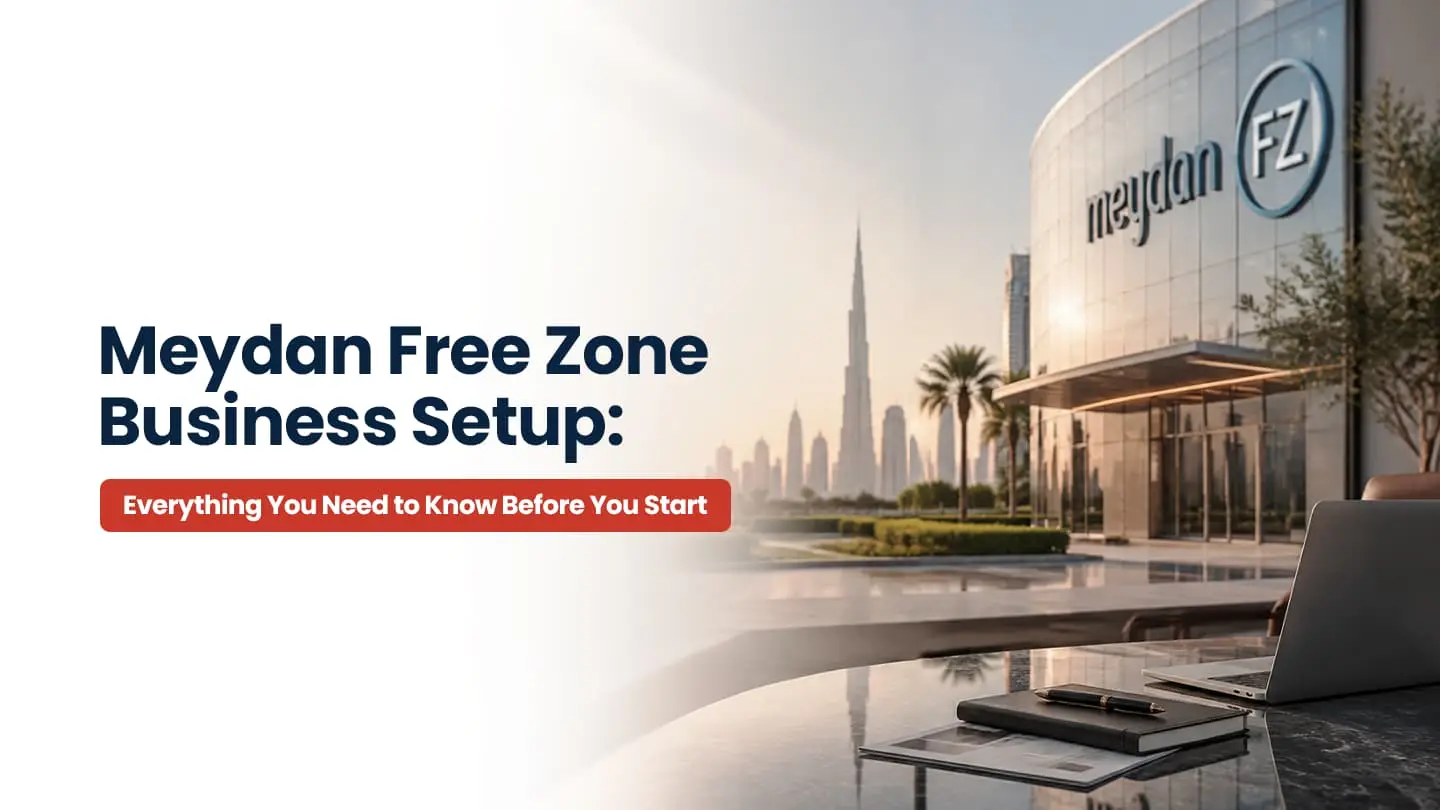
7. Meydan Free Zone
Meydan Free Zone serves digital businesses, consulting firms and eligible service providers. Its workspace options may suit businesses that don’t need a full-time physical office. Licence, visa and additional fees should be checked separately.
8. Dubai World Trade Centre (DWTC) Free Zone
DWTC Free Zone supports professional services, commercial, technology and event-related businesses. Entrepreneurs should ensure that the approved activities, facilities and licence package align with their business requirements.
Other Dubai Free Zones to Consider
Depending on your sector, you can also explore:
- Dubai Internet City: Technology and IT businesses.
- Dubai Silicon Oasis: Technology, innovation and other approved activities.
- Dubai Healthcare City: Healthcare and medical-related businesses.
- Dubai Media City: Media, advertising and creative industries.
- Dubai Design District (d3): Design, fashion and creative businesses.
- Dubai Knowledge Park: Education, training and human resources services.
Dubai’s official business setup portal maintains a directory of free zones and their indicative setup costs. Since fees and packages change, use the authority’s current information to validate your shortlist.
Dubai Free Zone Company Setup Packages: What Should You Compare?
Bundled packages simplify company formation by combining key services. However, inclusions vary between providers.
When comparing Dubai free zone company setup packages, check the following:
| Package component | What to verify |
| Trade licence | Approved activities and validity |
| Registration | Incorporation and administrative fees |
| Workspace | Flexi-desk, co-working or private office |
| Visa allocation | Visa, medical and Emirates ID charges |
| Visa processing | Visa, medical and Emirates ID charges |
| Immigration requirements | Establishment card and related fees |
| Bank account assistance | Support and services included |
| Tax and accounting | Registration, bookkeeping and filing |
| Renewal | Annual renewal and recurring charges |
A zero-visa package may suit entrepreneurs who don’t need UAE residency immediately, while an investor visa package may suit those planning to relocate.
Check all exclusions carefully, as low-cost packages may not cover every service needed to operate your company.
How to Choose the Right Free Zone for Your Business
The cheapest free zone may not be the best fit for every entrepreneur. Choose one based on your business activity, operational needs and budget.
Step 1: Define Your Business Activity
Identify whether you need a commercial, professional, industrial or other licence. Ensure the free zone permits your activities and check for additional approvals.
Step 2: Decide Whether You Need a Visa
If you plan to relocate, hire staff or sponsor dependants, check visa eligibility and fees. If managing the business from India or anywhere outside the UAE, assess whether a no-visa setup meets your needs.
Step 3: Assess Your Workspace Requirements
A shared workspace may suit small service businesses, while trading, logistics and manufacturing may require dedicated premises or specialised facilities.
Step 4: Compare First-Year and Renewal Costs
Request a breakdown of licence fees, registration, office space, visa processing, mandatory cards and annual renewal to budget accurately.
Step 5: Check Banking and Compliance Requirements
Company registration does not guarantee bank account approval. Banks assess ownership, business activities and documents. Also, understand your UAE corporate tax, VAT, accounting and reporting obligations.
How Shuraa Can Help With Free Zone Company Formation
Choosing the right free zone depends on your business activity, visa needs, workspace and budget.
Shuraa Business Setup assists with free zone selection, company registration, licensing, visa processing and documentation, including for entrepreneurs setting up a UAE business from India.
Request a detailed free zone company setup quote in Dubai covering setup fees, visas, office costs and annual renewals. Contact Shuraa for a customised cost estimate.
Frequently Asked Questions
Q1. What is the minimum Dubai free zone company setup cost?
The minimum cost depends on the free zone, business activity and package. Some basic packages start at about AED 12,000 in Dubai, while certain UAE free zones outside Dubai advertise lower entry-level options. Visa and additional service costs may be extra.
Q2. What does the free zone company registration cost in Dubai include?
It may include company registration, a trade licence and a registered workspace, depending on the package. Visa processing, establishment cards, private offices, banking support and tax services may be charged separately.
Always check the written quotation to understand the exact inclusions.
Q3. Is a free zone company cheaper than a mainland company in Dubai?
A free zone company can be more affordable for businesses that qualify for a basic licence and do not need extensive office space. However, the difference depends on the business activity, visa requirements and operational needs. Compare the full costs before choosing a structure.
Q4. Can I set up a free zone company without a UAE residence visa?
Yes, certain free zones offer company formation packages without a residence visa. However, you should confirm the available package, immigration requirements and whether your planned business operations require any additional arrangements.
Q5. How much does a free zone company licence cost in Dubai?
Licence fees vary by authority and activity. As an indicative estimate, many options fall within approximately AED 12,000* to 30,000* or more, although certain packages may be lower. The quoted price may or may not include registration, workspace and other mandatory charges.