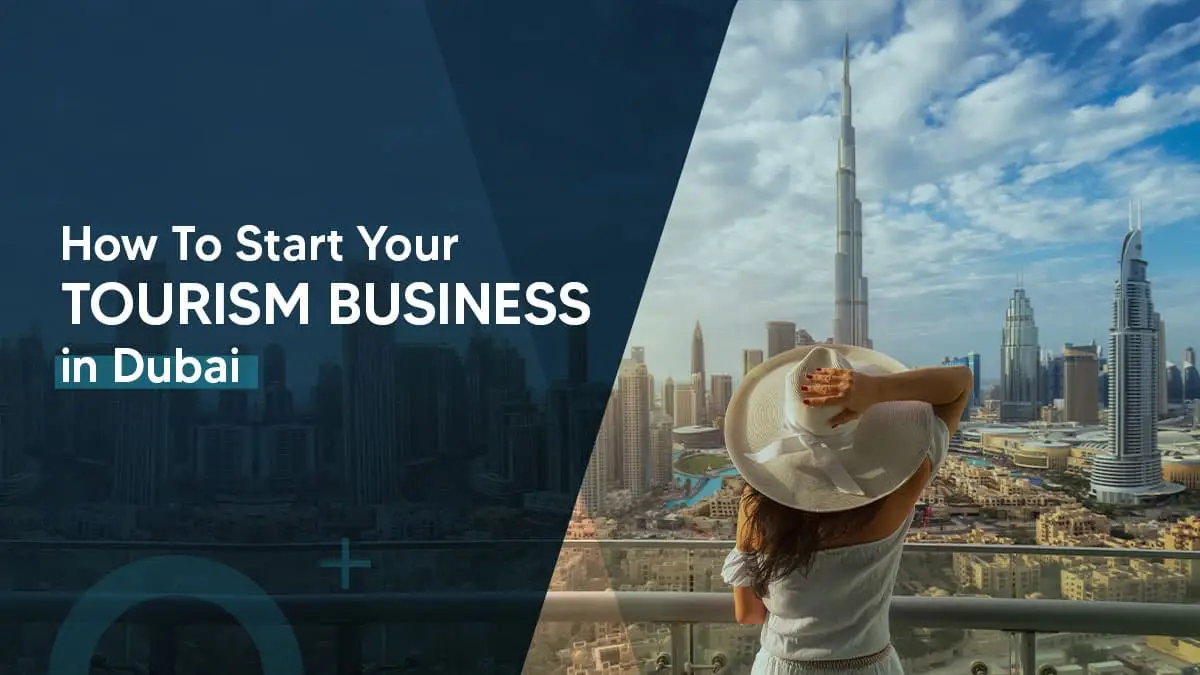
Dubai’s tourism industry isn’t just thriving—it’s booming. With record-breaking visitor numbers, iconic landmarks, and a government actively fueling sector growth, there has never been a better time to launch a tourism business here.
But for entrepreneurs, this immense opportunity is often clouded by a complex question: where do you start? Navigating the maze of licenses, regulations, and setup procedures can feel overwhelming, slowing down your launch before it even begins.
That’s exactly why you need a clear, actionable roadmap. This guide provides exactly that—cutting through the complexity to give you a step-by-step path to successfully launch and grow your tourism company in Dubai. Whether you’re a startup founder or an established brand looking to expand, you’re in the right place.
Why Choose Dubai for Your Tourism Business?
Think of Dubai not just as a destination, but as a global tourism hub that’s been intentionally built for growth. Starting a tourism business in Dubai means joining an ecosystem designed for success—backed by serious government strategy, top-tier infrastructure, and unrivalled demand.
1. A Clear Vision That Supports Your Business
Initiatives like the Dubai Economic Agenda D33 aren’t just plans on paper. They’re active, funded commitments to double the economy and position Dubai among the world’s top cities for business and tourism. For you, this translates into real support, long-term stability, and a market where tourism is treated as a national priority.
2. Infrastructure That Keeps Visitors Coming
Dubai doesn’t stand still. With the world’s busiest international airport, constantly expanding attractions, and a year-round calendar of major events, the city essentially markets itself. This gives your business a steady stream of new and returning visitors—and endless fresh content for your tours and packages.
3. Business Regulations That Work for You
Gone are the days of mandatory local partners for most tourism activities. Now, 100% foreign ownership is the norm on the mainland, and free zone companies can easily access the local market through clear, legal pathways. You get more control, less red tape, and the freedom to scale on your terms.
4. An Attractive Fiscal Environment
Benefit from Dubai’s favourable tax structure. There is no personal income tax, and the new federal corporate tax includes significant relief for small businesses, allowing you to retain more of your profits, especially in your crucial early years.
5. A Market Ready to Spend
Your customers—whether high-income residents or international travellers—arrive ready to explore and spend. This isn’t a low-margin market; it’s a premium one where travellers seek memorable experiences, directly boosting your potential revenue and profitability.
Put simply, building your tourism company in Dubai means planting your flag in a city whose future is woven into the success of travel and tourism. You’re not just entering a market—you’re aligning with its vision.
What Types of Tourism Businesses Can You Start in Dubai?
Here are several popular types of tourism businesses you might consider in Dubai:
1. Inbound & Outbound Tour Operations
This is the core of the industry. You can focus on inbound tourism, crafting exceptional experiences for the millions of international visitors (including key markets like India, the UK, KSA, and China). Alternatively, outbound operations cater to UAE residents seeking travel abroad. Specializing in specific nationalities or types of travel (e.g., family, pilgrimage) is a powerful strategy.
2. Luxury Travel Concierge & VIP Services
Dubai is synonymous with luxury. This niche involves creating once-in-a-lifetime, white-glove experiences: private yacht charters, exclusive access to events, bespoke shopping itineraries, and stays in ultra-luxury accommodations. Profit margins are high, built on discretion and exceptional service.
3. Adventure & Eco-Tourism
Capitalize on the stunning desert and coastal landscape. Businesses range from dune bashing and camel safaris to scuba diving, kayaking in mangroves, and mountain biking. There’s a growing, dedicated market for operators who emphasize sustainability and environmental education.
4. MICE & Corporate Travel (Meetings, Incentives, Conferences, Exhibitions)
Dubai is a premier global hub for business events. This B2B model involves managing all travel, logistics, accommodation, and team-building activities for corporate groups. It requires strong organizational skills and corporate networking but offers large, recurring contracts.
5. Wellness & Retreat Tourism
Tap into the global wellness boom. This can include organizing retreats that combine yoga and meditation with Dubai’s luxury spa facilities, or creating packages focused on fitness, detox, and mental well-being. It aligns perfectly with the high-end health-conscious traveler.
6. Cultural, Heritage & Educational Tourism
Move beyond the glitz to showcase the rich Emirati heritage and the UAE’s rapid development. Tours can include visits to the Dubai Museum, Al Fahidi Historical Neighbourhood, traditional souks, and discussions on architecture and future city planning. This appeals to culturally curious travelers and educational groups.
7. Specialized Niche Services
- Wedding & Honeymoon Tourism: Planning destination weddings and romantic getaways.
- Medical Tourism: Facilitating travel for patients seeking world-class healthcare in Dubai’s hospitals.
- Halal Tourism: Curating experiences that adhere to Islamic principles for a fast-growing global market.
Your Next Step: The right license and business structure are different for a luxury concierge service versus a desert safari operator. Book a free consultation to validate your niche and build a compliant, optimized setup plan.
Mainland vs. Free Zone: Choosing the Right Base for Your Dubai Tourism Business
One of the most critical decisions you’ll make is where to establish your company—on the Dubai mainland or within a Free Zone. Each option offers distinct advantages tailored to different business models and growth aspirations.
Option 1: Mainland Tourism Company (Licensed by DET & DTCM)
Advantages:
- Unrestricted UAE Market Access: Sell services directly to clients anywhere in the UAE—Dubai, Abu Dhabi, and all other emirates—with no barriers.
- Eligibility for Major Contracts: Qualify to bid on lucrative projects with government entities and large local corporations.
- Brand Visibility Anywhere: Open an office, retail shop, or showroom in any Dubai location to build a physical brand presence.
- 100% Foreign Ownership: Retain full ownership of your mainland LLC without a mandatory local partner.
Key Points to Consider:
- Higher Initial & Operational Costs: Expect higher licensing fees, mandatory physical office rent, and potential agent fees.
- A More Involved Process: Requires coordination between DET, DTCM, and the Dubai Chamber, which can be complex without guidance.
Ideal For: Businesses that need to work directly with the mainland UAE market—including tour operators for resident and visitor travel, companies targeting corporate clients across the Emirates, and those planning a walk-in travel agency.
Option 2: Free Zone Tourism Company (Licensed by the respective Free Zone Authority)
The Core Advantage: Speed, Cost Savings & Tax Efficiency
- Fast, Streamlined Setup: Benefit from a single-window service for licensing, visas, and facilities, leading to a quicker launch.
- Cost-Effective Start: Lower setup costs with flexible office solutions like flexi-desks and smart offices.
- Significant Tax Benefits: Enjoy 0% corporate and personal income tax, along with full customs duty exemptions on imports/exports.
- Full Ownership & Profit Repatriation: Maintain 100% ownership and freely transfer all capital and profits overseas.
Key Points to Consider:
- Restricted Mainland Trading: You cannot directly invoice clients on the UAE mainland without using a local distributor, obtaining a special DET permit, or setting up a separate mainland branch.
- Office Location Limit: Your official address must be within the Free Zone, though you can meet clients anywhere.
Ideal For: Online-focused and outbound tour operators, businesses targeting international markets, tourism tech startups, and entrepreneurs prioritizing a fast, tax-efficient launch.
The Hybrid Approach: Bridging Both Worlds
Today’s regulations are flexible. A popular strategy is to start in a Free Zone for the tax benefits and then secure a DET permit to conduct specific mainland projects. Alternatively, establishing a mainland branch or obtaining a Dual License (where available) can bridge both worlds. This advanced approach is highly strategic and is best executed with expert advice to ensure seamless compliance.
Still unsure which path aligns with your business model? This is the single most important setup choice you’ll make. Get a free, personalized consultation to analyze your plans and identify the optimal jurisdiction for your tourism venture.
Documents Required to Launch Your Dubai Tourism Company
Gathering the correct documents is a critical step to ensure a smooth and swift approval process for your DTCM tourism license. Having these prepared upfront will prevent unnecessary delays.
The required documents generally fall into three categories:
1. Company & Shareholder Documents
- Passport copies of all shareholders and the proposed manager (must be clear and valid).
- Visa copies (if applicable).
- Proof of address for each shareholder (e.g., utility bill, bank statement from the last 3 months).
2. Manager-Specific Qualifications (A Key DTCM Requirement)
- Detailed CV/Resume: Highlighting at least 3 years of prior experience in the travel, tourism, or hospitality sector.
- Attested Experience Certificates: Official letters from previous employers confirming the manager’s role and tenure in the industry.
- Educational Certificates (if available, though experience is the primary requirement).
3. Business Plan & Regulatory Documents
- Detailed Project Report/Feasibility Study: This should outline the technical and economic viability of your tourism business, including market analysis, service offerings, and financial projections.
- No Objection Letter (NOC) from the UAE Civil Aviation Authority: This is a mandatory requirement for any company involved in ticketing or airline bookings (Travel Agent and some Tour Operator licenses).
- Clean Criminal Record Certificate for the owner/manager, attested as per UAE guidelines.
Pro Tip: While this is the standard checklist, requirements can vary slightly based on your chosen jurisdiction (Mainland vs. Free Zone) and specific activity. Working with a setup expert like Shuraa ensures your documentation is complete, properly formatted, and aligned with the latest authority guidelines, saving you from rejection cycles.
How to Start a Tourism Business in Dubai: Your Step-by-Step Guide
Launching your company involves a clear sequence of actions. Follow these steps to move from idea to operational business seamlessly.
Step 1: Choose Your Business Activity and License Type
Your first decision is selecting the right tourism license for your services. In Dubai, there are three main categories:
- Inbound Tour Operator License – For servicing tourists within the UAE (tours, visas, hotels, transfers).
- Outbound Tour Operator License – For selling travel packages outside the UAE.
- Travel Agent License – For ticketing (flights, buses, trains) and booking services on behalf of other agents.
Step 2: Finalize Your Business Structure and Ownership
Recent UAE reforms allow 100% foreign ownership for most mainland businesses, including tourism. While a local partner is no longer mandatory for most sectors, some professional license holders may still need to appoint a Local Service Agent (who has no ownership rights, only facilitates government procedures). Most tourism companies set up as an LLC on the mainland or within a free zone.
Step 3: Register with the Correct Authorities
You must register your company with:
- Department of Economy and Tourism (DET) – formerly Dubai DED.
- Dubai Department of Tourism and Commerce Marketing (DTCM) for your tourism license.
Note: Free zone companies can access the mainland via a DET permit, a mainland branch, or a dual license.
Step 4: Prepare and Submit Required Documents
Gather:
- Completed license application form
- Passport copies of shareholders/manager
- Manager’s tourism/hospitality experience proof (minimum 3 years)
- Detailed project report (economic & technical feasibility)
- Clean criminal record certificate
- No Objection Letter from the Civil Aviation Authority (if applicable)
Step 5: Obtain License and Complete Chamber Registration
Once licensed, register with the Dubai Chamber of Commerce to receive your Dubai Chamber Certificate. This is essential for dealing with government departments and expanding to other emirates.
Step 6: Open a Corporate Bank Account
This is a critical and often time-consuming step for new businesses. You will need your company license, chamber certificate, shareholder and manager passports, and a viable business plan to open a corporate bank account in the UAE. This account is necessary for all business transactions, receiving payments, and paying suppliers.
Step 7: Apply for Residency Visas for Yourself and Your Team
With your license and established company bank account, you can begin the process of applying for UAE residency visas (e.g., Investor Visa, Employee Visas) for yourself, your partners, and your employees. This process is tied to securing an office space (or flexi-desk) and obtaining necessary approvals from the General Directorate of Residency and Foreigners Affairs (GDRFA).
Step 8: Launch Your Operations and Secure Trade Licenses
You are now ready to operate. Ensure you secure any additional trade licenses or permits for specific activities (e.g., desert safari permits, trade event licenses). This is also the time to implement your marketing plan, finalize partner contracts, and officially open for business.
Ready to put this plan into action? Navigating these steps alone can be complex. Book a free consultation with business setup experts to get a personalized roadmap and hassle-free support from license to launch.
What is the Cost of Starting a Tourism Business in Dubai?
A common first question from entrepreneurs is, “What’s the total cost?” There’s no single price tag, as your investment will depend on your chosen license, location, and office needs. However, by understanding the key cost components, you can build a realistic budget.
Here’s a breakdown of the essential costs for your tourism business setup in Dubai:
1. Government & Licensing Fees
These are mandatory, non-negotiable costs paid to authorities. They typically include:
- Trade Name Registration & Initial Approvals
- DTCM Tourism License Issuance Fee
- Dubai Chamber of Commerce Registration
- Estimated Range: AED 10,000 – AED 20,000
2. Office Space (A Mandatory DTCM Requirement)
You must have a physical business address. Your choice here is the largest variable.
- Cost-Effective (Free Zone): Flexi-desk or virtual office packages start from ~AED 12,000 – AED 25,000/year.
- Standard (Mainland): A fitted office space in a commercial building typically ranges from AED 40,000 – AED 80,000/year and up, depending on size and location.
3. Professional Business Setup Service Fee
This is your investment in accuracy, speed, and peace of mind. A full-service consultant (like Shuraa) handles the entire process—from document preparation and authority liaison to bank account and visa support—ensuring full compliance.
- Estimated Range: AED 10,000 – AED 25,000 (varies by package complexity).
4. Additional Essentials (Often Overlooked)
- Visa Costs: Resident visa issuance, medical tests, and Emirates ID fees per person.
- Bank Account Minimum Deposit: Banks often require an initial deposit to activate a corporate account.
- Operational Capital: Marketing, insurance, software subscriptions, and salaries for your runway to profitability.
Realistic Total Investment Scenarios:
- Lean Startup Model (Free Zone): For an online-focused travel agency in a free zone with a flexi-desk.
Total Estimated Cost: AED 40,000 – AED 60,000 - Full-Service Agency (Mainland): For an inbound tour operator with a physical mainland office and full operational readiness.
Total Estimated Cost: AED 70,000 – AED 100,000+
The most crucial step is to get a fixed, all-inclusive quote tailored to your specific business plan. Generic estimates can be misleading. Our experts at Shuraa provide transparent pricing with no hidden fees, so you can budget with confidence from day one.
Real-World Success: Case Studies of Tourism Businesses in Dubai
Seeing how others have successfully navigated the setup process can provide clarity and confidence for your own journey. Here are two examples of entrepreneurs who transformed their vision into a thriving tourism business in Dubai with expert guidance.
Case Study 1: Launching a Boutique Adventure Tour Operator
- The Vision: A European entrepreneur aimed to fill a market gap for luxury, eco-conscious desert safaris and adventure experiences.
- The Challenge: The process was complex, requiring not just a standard Inbound Tour Operator License but also specific DTCM approvals for desert activities and navigating stringent insurance requirements.
- The Shuraa Solution: Our experts provided an end-to-end roadmap. We secured their 100% foreign-owned mainland LLC, handled the full DTCM licensing, and managed the acquisition of all necessary activity-specific permits and insurance liaisons.
- The Result: Operational within 8 months, the company now holds exclusive partnership contracts with several luxury hotel chains and is a recognized leader in high-end, sustainable desert tourism.
Case Study 2: Establishing a Corporate Travel & MICE Hub
- The Vision: An established Asian travel management company sought to use Dubai as a regional base to serve corporate and MICE (Meetings, Incentives, Conferences, Exhibitions) clients across the GCC.
- The Challenge: They needed a mainland presence to contract freely across all emirates and a setup capable of processing high volumes of corporate visas efficiently. The regulatory overlap between DET and DTCM was a significant hurdle.
- The Shuraa Solution: Leveraging our 26 years of corporate setup experience, we established their mainland LLC, synchronized their DET and DTCM approvals, and designed an optimized visa quota strategy to support large client delegations.
- The Result: The company was fully operational in record time and secured a major multinational corporation as its anchor client within the first year, establishing a profitable hub for regional operations.
Your Success Story Starts Here
These examples show that success in Dubai’s tourism sector is built on a foundation of strategic planning and precise execution. The common thread? Partnering with a specialist who understands both the regulations and the industry.
Could your tourism business be our next case study? Book a free strategy session to discuss your vision. We’ll outline a clear, step-by-step plan to license, launch, and grow your company in Dubai.
Avoid These 4 Common Mistakes When Starting Your Dubai Tourism Business
Many new entrepreneurs stumble on the same hurdles. Being aware of these pitfalls from the start can save you significant time, money, and frustration. Here are the most critical mistakes and strategic solutions to overcome them.
Mistake 1: Choosing the Wrong License or Business Location
- The Pitfall: Selecting an Outbound license when your real market is incoming tourists, or forming in a free zone without a plan to access the mainland, can legally cripple your business model from day one.
- The Solution: This isn’t just paperwork—it’s foundational strategy. Consult with tourism setup specialists who can map your services to the correct DTCM license and advise on the optimal jurisdiction (Mainland vs. Free Zone) for your long-term goals.
Mistake 2: Underestimating the Total Capital Required
- The Pitfall: Budgeting only for the government license fee is a classic error. Entrepreneurs often forget mandatory costs like office fit-out, three-year visa bank guarantees, insurance premiums, and 6-12 months of operational runway for marketing and salaries.
- The Solution: Build a comprehensive financial model before you apply. A professional advisor can provide a realistic, all-inclusive cost breakdown so you launch with sufficient capital, not just a license.
Mistake 3: Overlooking the Manager Experience Requirement
- The Pitfall: DTCM strictly requires the company manager to have at least 3 years of verified experience in tourism or hospitality. Incomplete or unauthenticated proof is a major cause of application rejection and delays.
- The Solution: Prepare attested experience certificates and a detailed professional CV upfront. If you lack this qualification, experts can guide you on compliant managerial appointment structures to satisfy this regulatory requirement seamlessly.
Mistake 4: The DIY Approach Without Local Insight
- The Pitfall: Navigating the multi-agency process (DET, DTCM, Chamber, GDRFA, Immigration) alone is a maze. A single form error or missed step can lead to weeks of back-and-forth, stalling your launch indefinitely.
- The Solution: Partner with a seasoned business setup firm. The investment in professional service fees is offset by faster approval times, guaranteed compliance, and the invaluable peace of mind that allows you to focus on your business plan, not bureaucracy.
Expert Insight: At Shuraa, we’ve helped form over 300+ tourism companies. We see these mistakes frequently—and more importantly, we know exactly how to prevent them. Our role is to be your strategic guide, turning these common complexities into a streamlined, efficient process.
Tips to Run a Successful Tourism Company in Dubai
- Specialize and Dominate a Niche: Dubai’s market is competitive. Success lies in specializing—be it luxury family travel, medical tourism, halal travel, or adventure sports. Become the go-to expert.
- Master Digital Marketing: Your primary customers are online. Invest in a robust SEO strategy for keywords like “tourism companies in Dubai,” leverage Google Business Profile, and create compelling content on social platforms like Instagram and TikTok to showcase experiences.
- Build a Network of Quality Partnerships: Your success hinges on your partners. Forge strong relationships with reputable hotels, DMCs (Destination Management Companies), transportation providers, and activity operators. Reliability is your brand currency.
- Prioritize Customer Service Excellence: In the experience economy, online reviews are everything. Go above and beyond to create seamless, memorable customer journeys that generate positive word-of-mouth and repeat business.
- Stay Agile and Informed: The tourism landscape and regulations evolve. Subscribe to DTCM updates, attend industry networking events like Arabian Travel Market, and be ready to adapt your offerings to new trends and traveler preferences.
Why Choose Shuraa Business Setup for Your Tourism Company in Dubai?
Navigating the launch of your tourism business in Dubai requires more than just filling out forms—it demands proven expertise and a partner who understands the industry’s intricacies. This is where Shuraa Business Setup stands apart.
With over 26 years of dedicated experience in the UAE market and a legacy of successfully forming over 100,000 companies, our expertise is unmatched. We have a deep, specialized understanding of the Dubai tourism industry, having assisted in the establishment of approximately 300+ tourism companies—from niche tour operators to full-service travel agencies. Our team doesn’t just process applications; we provide strategic guidance, helping you select the perfect license type and jurisdiction to match your business goals.
We streamline the entire process, handling everything from document preparation and liaison with the Department of Economy and Tourism (DET) and DTCM to securing your office space and visas. Our long-standing relationships with authorities often result in faster processing times. We demystify the updated regulations, such as 100% foreign ownership and dual licensing options, ensuring your business is compliant and optimally structured from day one.
Choose Shuraa Business Setup and partner with a team that turns complex procedures into a smooth journey, allowing you to focus on what you do best—building an unforgettable tourism brand.
Ready to Launch?
Book a free consultation today to get your tourism license in Dubai efficiently and begin your journey in one of the world’s most dynamic markets.
Frequently Asked Questions (FAQs)
Find quick, expert answers to the most common questions we receive from entrepreneurs launching their tourism venture in Dubai.
1. How much is a tourism license in Dubai?
Costs vary based on license type, location (mainland vs. free zone), and office requirements. It’s best to get a tailored quote from a business setup consultant.
2. What are the cheapest ways to start a tourism business in Dubai?
Opting for a flexi-desk or virtual office in a free zone can reduce initial overhead. Some free zones offer cost-effective tourism licensing packages.
3. What are the key requirements for tourism company registration?
You need a defined business activity, approved company name, relevant license, office space, and a manager with at least 3 years of industry experience.
4. Is a tourism business profitable in Dubai?
Absolutely. Dubai’s growing visitor numbers, mega-events like Expo 2025, and year-round demand make it a highly profitable market for established and niche tourism services.
5. What licenses do I need to start a tourism agency?
You need a DTCM tourism license (Inbound, Outbound, or Travel Agent). Additional permits may be required for activities like safari tours or adventure packages.
6. Can I operate across the UAE with a Dubai tourism license?
Yes, once you obtain your Dubai Chamber Certificate, you can legally operate in other emirates.
7. Do I need a physical office?
Yes, DTCM requires a physical office space for licensing, though flexible workspace solutions are available.
Disclaimer: This guide is for informational purposes only and does not constitute legal or financial advice. Regulations and procedures in the UAE are subject to change. We recommend consulting with qualified professionals or directly with the Department of Economy and Tourism (DET) and Dubai Department of Tourism and Commerce Marketing (DTCM) for the most current and personalized guidance regarding your business setup.