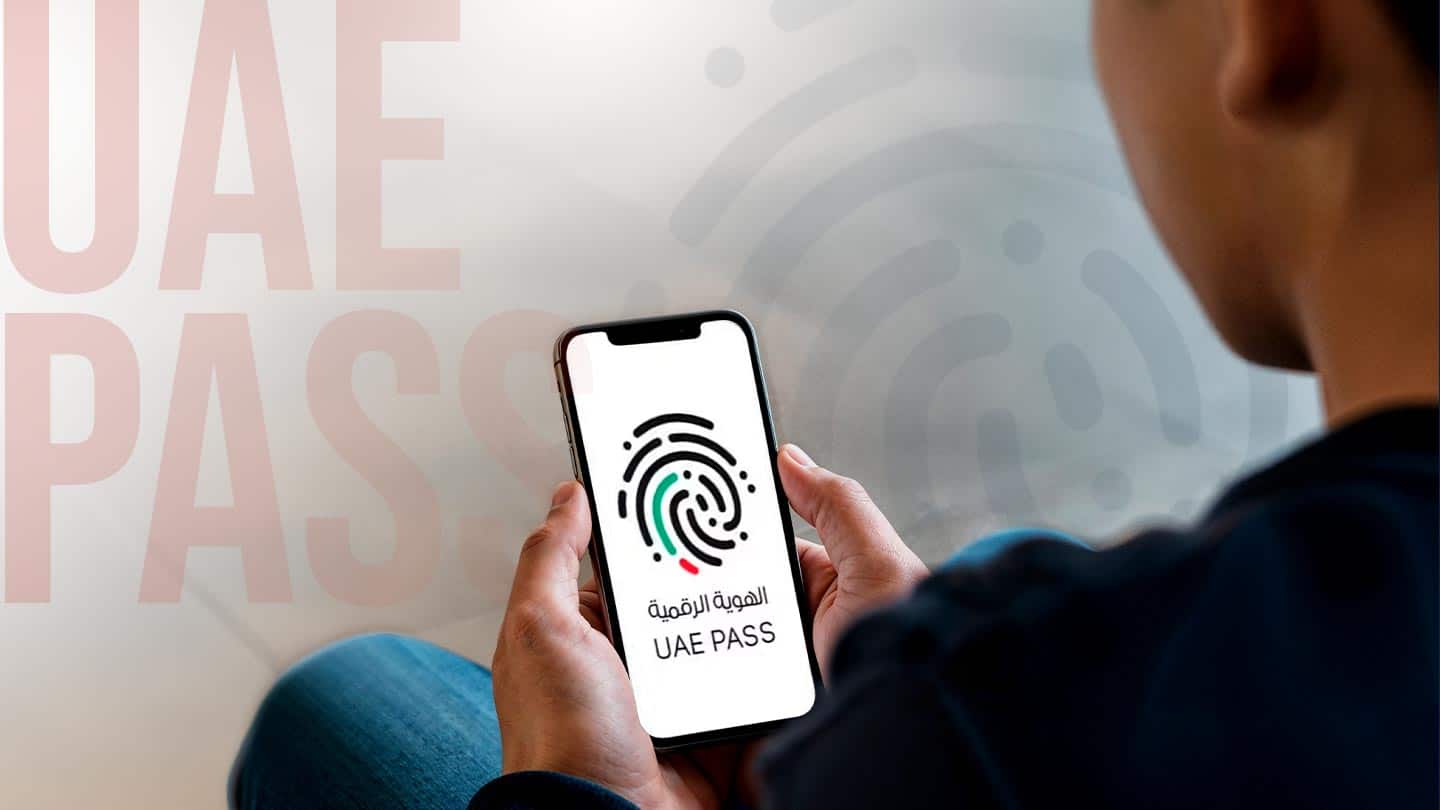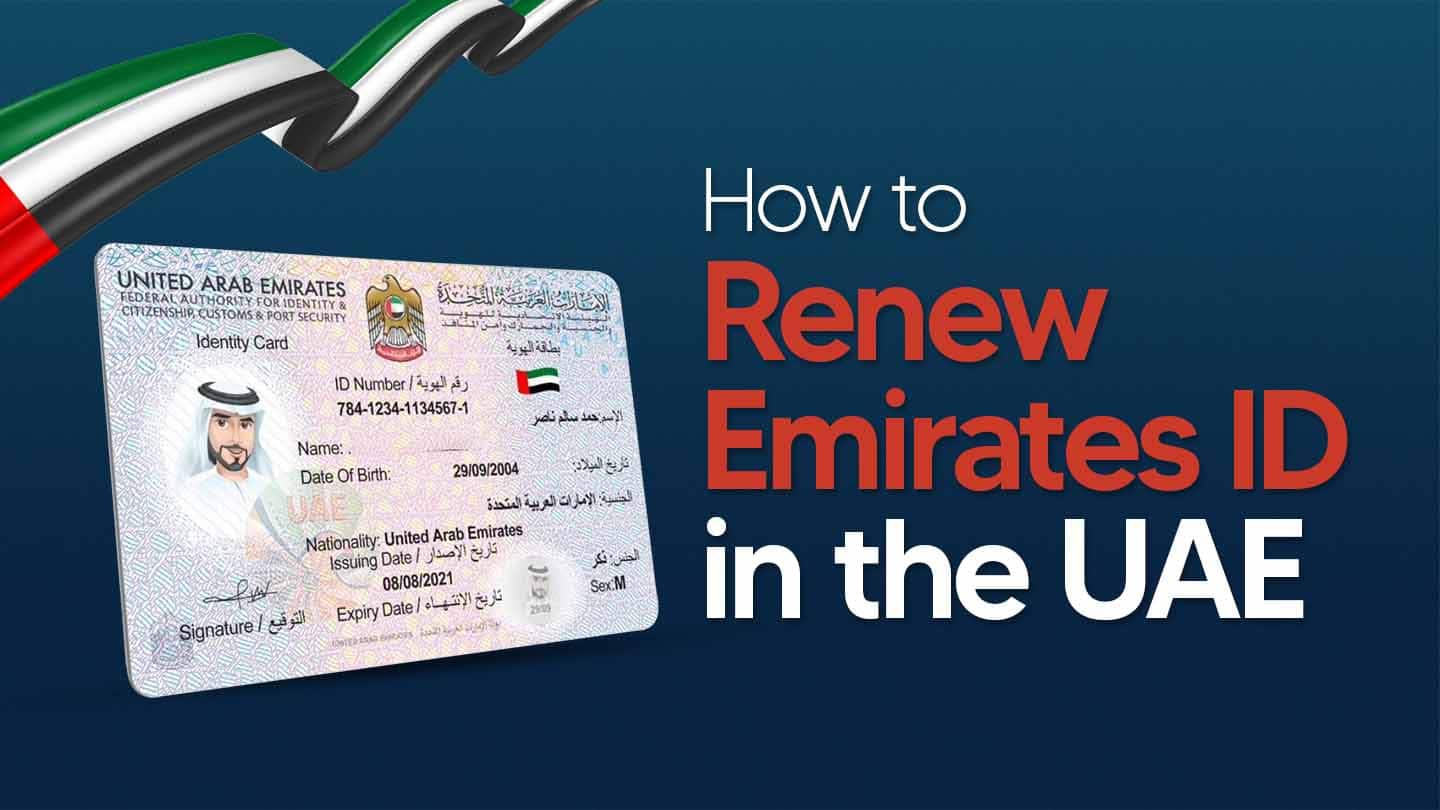


If you live in the UAE or plan to move here, you will need an Emirates ID. Issued by the Federal Authority for Identity, Citizenship, Customs & Port Security (ICP), this government identity card contains your personal details, photo, fingerprints, and a unique 15-digit number, all securely stored on a chip.
But it’s not just an ID. The Emirates ID is your key to daily life in the UAE. From opening a bank account and getting a phone connection to signing rental agreements or using e-gates at airports, your Emirates ID is required almost everywhere. It also helps you access government services and healthcare, and even log in to apps like UAE Pass for online services.
Everyone residing in the UAE must have an Emirates ID, including citizens, GCC nationals, expatriates with residence visas, and even children and newborns. For citizens, it is also used for voting and travel within the GCC. For expatriates, it confirms legal residency and employment status.
What is the Emirates ID?
The Emirates ID is an official identity card issued by the Federal Authority for Identity, Citizenship, Customs & Port Security (ICP) in the UAE. It comes with a unique 15-digit number and stores important personal details, such as your name, nationality, photo, and biometric data, including fingerprints. It is a legal requirement for all citizens and residents of the UAE to obtain and carry this card.
Why is the Emirates ID Important in the UAE?
The Emirates ID is a mandatory document that plays a central role in daily life in the UAE.
1. Proof of Identity
The Emirates ID serves as your official proof of identity in the UAE. It verifies your personal information, nationality, and legal residency or citizenship status, and is required for most official or legal transactions.
2. Access to Government Services
The Emirates ID is required for residence visa renewals, vehicle registration, health cards, and accessing services through government portals and applications such as UAE Pass.
3. Travel and Immigration
- E-Gates and Smart Gates: Emirates ID enables expedited immigration clearance at UAE airports, enabling quick entry and exit.
- GCC Travel (for UAE Citizens): UAE citizens may use their Emirates ID as a travel document within the Gulf Cooperation Council countries.
4. Enhanced Security and Data Management
- Biometric Data: The embedded microchip stores encrypted personal and biometric data, such as fingerprints, making the card highly resistant to counterfeiting.
- Unified Database: The Emirates ID is part of a centralised national identity system that streamlines data management and verification for government and private entities.
- Digital Services: The Emirates ID is integrated with smart services and e-government platforms, enabling secure online transactions and reducing paperwork. It can also be used with UAE Pass for secure digital logins.
5. Rental and Utility Contracts
To rent property in the UAE, you must present your Emirates ID. It is also required to activate utilities such as DEWA, internet, and gas services.
6. Banking and Financial Use
The Emirates ID is required to open bank accounts, apply for credit cards or loans, and conduct certain banking transactions. It enables banks to verify your identity and maintain security.
Who Needs an Emirates ID?
The Emirates ID is mandatory for nearly all UAE residents, including:
- UAE Citizens: All Emirati nationals must apply for and carry an Emirates ID, which serves as their official identification for voting and accessing government services.
- GCC Nationals Living in the UAE: GCC nationals residing in the UAE for work, business, or family purposes must also obtain an Emirates ID.
- Expatriate Residents (Foreigners with Residency Visas): Foreigners with a valid UAE residence visa are legally required to obtain an Emirates ID. The card now contains residency details, replacing the physical visa sticker in passports. The application is typically completed during the residence visa process.
- Children and Newborns: Newborns and children of UAE residents or citizens must also have an Emirates ID. Parents apply on their behalf during the residency visa process.
Emirates ID UAE – Key Features
The Emirates ID uses smart technology to ensure security, convenience, and easy access to services across the UAE. Key features include:
1. Unique Identification Number
Each Emirates ID card has a unique, permanent 15-digit identification number that remains with the holder for life, regardless of card renewal or replacement. This number is used for all official interactions.
2. Biometric Data
The card stores fingerprints and facial data collected during the application process, providing an additional layer of security and accurate identity verification.
3. Smart Card Technology
- Embedded Microchip: The card contains an electronic microchip that stores encrypted personal data, with a capacity of up to 32,000 characters.
- Public Key Infrastructure (PKI): This includes digital signatures and authentication certificates, which are crucial for secure online transactions and verifying the authenticity of digital interactions.
- Non-Touch Data Reading (Newer cards): Some newer Emirates ID cards include Wi-Fi-enabled chips for contactless data reading.
4. Advanced Security Features
The Emirates ID includes advanced security features to prevent counterfeiting and tampering, such as:
- Accurate Letters/Micro-text: Extremely precise printing that is difficult to replicate.
- Ultraviolet (UV) Ink: Visible only under UV light, adding a hidden layer of security.
- Line Drawings/Holograms: Complex graphical elements that are hard to forge.
- Secure Laminate: A protective layer designed to prevent alteration of the card’s surface.
The ICP also states that the Emirates ID has nine security features that exceed the standards used in many other cards, including banking credit cards.
5. Personal and Professional Data Storage
The chip on the Emirates ID stores a significant amount of personal and, for residents, professional data. While some information is visible on the card, much of it is encrypted and accessible only to authorised authorities. Data stored can include:
- Identity number (15-digit)
- Full name (Arabic and English)
- Personal photo
- Date of issue and expiry
- Passport information (number, type, country, issue/expiry dates)
- Occupation
- Sex
- Nationality
- Date of birth
- Mother’s first name
- Sponsor name, number, and type (for residents)
- Marital status
- Family number (for UAE nationals)
- Town number (for UAE nationals)
- Type of residence and residence number (for residents)
- Two fingerprints
- Signature image
- Qualification data
- Occupation type, company name
6. Digital Version (UAE Pass Integration)
A digital version of the Emirates ID can be stored on a smartphone via the UAE Pass application, providing secure access to online government and private-sector services without a physical card.
7. Durability and Longevity
The cards are made of durable materials, such as polycarbonate, which extends their service life to over 10 years and makes them resistant to daily wear and environmental conditions.
How to Apply for an Emirates ID?
Obtaining your Emirates ID is an important step after receiving UAE residency. The process is straightforward if you are prepared.
Step 1. Ensure You Have a Valid UAE Residency Visa
Your Emirates ID application must be linked to an active residency visa, regardless of your nationality.
Step 2. Choose Your Application Method
You can apply online or in person, depending on your preference:
A. Online through ICP Website/App:
The Federal Authority for Identity, Citizenship, Customs & Port Security (ICP) has an official website (icp.gov.ae) and mobile app (available on Google Play and App Stores) where you can apply for a new ID, renew, or replace a lost/damaged one. You’ll need to create an account, fill out the application form with accurate details, and upload the required documents.
B. Accredited Typing Centres / Amer Centres (in Dubai):
You may also visit an authorised typing centre or Amer centre, where staff will assist with the application form and submit your documents electronically to the ICP. This often coincides with your residence visa application.
Step 3. Pay the Fees
Fees vary depending on the card’s validity period, application type (new, renewal, or replacement), and the application channel (online or typing centre).
General Fees (approximate, subject to change):
- AED 100 per year of validity (e.g., AED 200 for a 2-year visa, AED 500 for a 5-year ID for citizens/GCC nationals).
- Application fees: Around AED 30 (online) or AED 70 (typing centre).
- Urgent service (“Fawri”) fee: An additional AED 150 for expedited processing (typically 24 hours).
Step 4. Biometrics Appointment (if applicable)
Most first-time applicants and some renewing or updating data applicants will receive an SMS notification with biometrics appointment details.
You must visit a designated ICP Customer Happiness Centre to provide fingerprints and have your photograph taken. This step is essential for secure identity verification. Children under 15 are usually exempt from biometrics.
Step 5. Wait for Processing
Standard processing takes 7 to 10 business days after your visa is stamped and, if required, biometrics are completed. You will receive SMS updates and can track your application online using the application number (PRAN or transaction number) on the ICP website.
Step 6. Collect Your Emirates ID
You will receive an SMS when your card is ready. Collect it from the designated Emirates Post office or ICP centre, and bring your passport and application receipt.
Cards must be collected within 90 days, or they will be returned to the system.
Note: For expatriate residents, you generally need to have a valid residence visa (or at least your entry permit for the visa process) before you can apply for your Emirates ID. The ID application is often part of the complete visa processing.
What is Emirates ID Fees in the UAE (As of 2026)?
The cost of obtaining or renewing an Emirates ID depends on your residency status and the validity period of your visa. Below is an overview of current fees.
1. Card Issuance Fee (Main Fee)
This is the main fee for the ID card, determined by its validity period.
For Expatriate Residents:
AED 100 per year of validity of your residence visa.
- Example: For a 2-year visa, the Emirate ID card issuance fee would be AED 200.
- Example: For a 3-year visa, the Emirate ID card issuance fee would be AED 300.
For UAE Citizens and GCC Nationals:
- AED 100 for a 5-year validity.
- AED 200 for a 10-year validity
2. Application/Service Fees
These are administrative fees for processing the application.
- Online Application (through ICP website/app): Approximately AED 40
- Typing Centre / Amer Centre Application: Approximately AED 70 (this typically includes AED 30 for the typing centre and AED 40 for the service fee)
3. Urgent Service Fee (“Fawri Service”)
An additional AED 150 is charged for expedited processing (typically within 24 hours). This service is usually available for new applications, renewals, and replacements at specific ICP Customer Happiness Centres.
Emirates ID Validity and Renewal
The Emirates ID is a critical document in the UAE. Maintaining its validity and renewing it on time is essential to avoid legal issues and ensure continued access to services.
Emirates ID Validity:
Emirates ID validity depends on your visa type and nationality.
1. UAE Nationals
For citizens, the Emirates ID is valid for 5 or 10 years, depending on the selected option during application.
2. GCC Nationals Residing in the UAE
For GCC nationals, the Emirates ID is usually valid for 5 years.
3. Expat Residents
For expatriates, Emirates ID validity is linked to the residency visa, typically for 1, 2, or 3 years, depending on work, sponsorship, or investment type.
When and How to Renew your UAE Emirates ID?
- You may begin the renewal process six months before your Emirates ID expires.
- Timely renewal is important to avoid late penalties of AED 20 per day, up to AED 1,000.
- The renewal process is similar to applying for a new card:
- Submit the renewal application via the ICP website, mobile app, or a typing centre.
- Pay the applicable fees.
- Book a biometric appointment (only if required).
- Track your application and collect your new card once it’s ready.
Grace Period: There is a 30-day grace period from the expiry date to renew your Emirates ID without incurring late fines.
Late Renewal Fines: Failure to renew within the 30-day grace period results in a fine of AED 20 per day.
Read More: How to Renew an Emirates ID in the UAE
Lost, Stolen, or Damaged Emirates ID – What to Do?
If your Emirates ID is lost, stolen, or damaged, you can request a replacement by following these steps:
1. Report the Incident Immediately
Visit the nearest ICP Customer Happiness Centre or log in to the ICP Smart Services portal to report your lost or damaged card. If stolen, filing a police report is recommended for added security.
For a damaged ID: You do not need to report it as lost or stolen. Retain the damaged card, as it must be submitted when applying for a replacement.
2. Apply for a Replacement
After reporting, apply for a replacement Emirates ID online, via the ICP app, or at any typing centre. Submit your passport, a recent photo, and a copy of your lost or damaged ID if available.
3. Pay the Replacement Fees
The standard replacement fee is AED 300, plus AED 40 for service charges and AED 30–50 for typing or postal services. The urgent (Fawri) service incurs an additional AED 150–200.
4. Collect Your New Emirates ID
Once your replacement is ready, you will receive an SMS notification. Collect the new card from the designated Emirates Post office or ICP centre, as selected during your application.
Important Considerations:
- Temporary ID: While waiting for your new Emirates ID, you may use a printout of your application form with your ID number and your passport for identification. The UAE Pass app also provides a digital Emirates ID, valid for many digital services.
- Old Card Found (if lost): If you find your old card after reporting it lost and applying for a replacement, it’s best to surrender it to the ICP, as it will have been deactivated. Your new card will have the same ID number as the old one.
Need Help? Shuraa is Here for You
The Emirates ID is more than just an identification card; it’s an essential part of life in the UAE. From accessing everyday services to verifying your legal residency, it plays a vital role for both citizens and expats.
Key recommendations:
- Always carry your Emirates ID.
- Update your details if your phone number or address changes.
- Renew your Emirates ID on time to avoid late fees.
- If you lose or damage your Emirat
If you are planning to move to the UAE or start a business, Shuraa can assist you. We support clients with Emirates ID applications, residency, visas, and business setup.
If you have questions or need assistance, we are here to support you at every step.
Commonly Asked Questions (FAQs)
1. How can I obtain an Emirates ID in the UAE?
Here’s a quick step-by-step process to get your Emirates ID:
- Apply online via the ICP website or visit a typing centre
- Submit your documents and pay the fees
- Book and attend your biometric appointment
- Wait for processing and collect your card from Emirates Post
2. How long does it take to receive the Emirates ID?
It usually takes 5 to 10 working days after completing the biometric process. If you choose the urgent (Fawri) service, you may get it within 24 hours.
3. Can I travel without my Emirates ID?
For international travel, a passport and a valid visa are required. UAE citizens may travel to GCC countries using only their Emirates ID, while expatriates cannot.
4. Do children need an Emirates ID?
Yes, all newborns and children living in the UAE require an Emirates ID. Parents typically apply during the child’s residency visa process.
5. Can I update my details on the Emirates ID?
Yes. You can update your phone number, address, or other personal information through the ICP website, app, or at a service centre.
6. Is it mandatory to carry the Emirates ID at all times?
Yes, it is legally required to carry your Emirates ID. It may be needed for identification, accessing services, or during inspections.