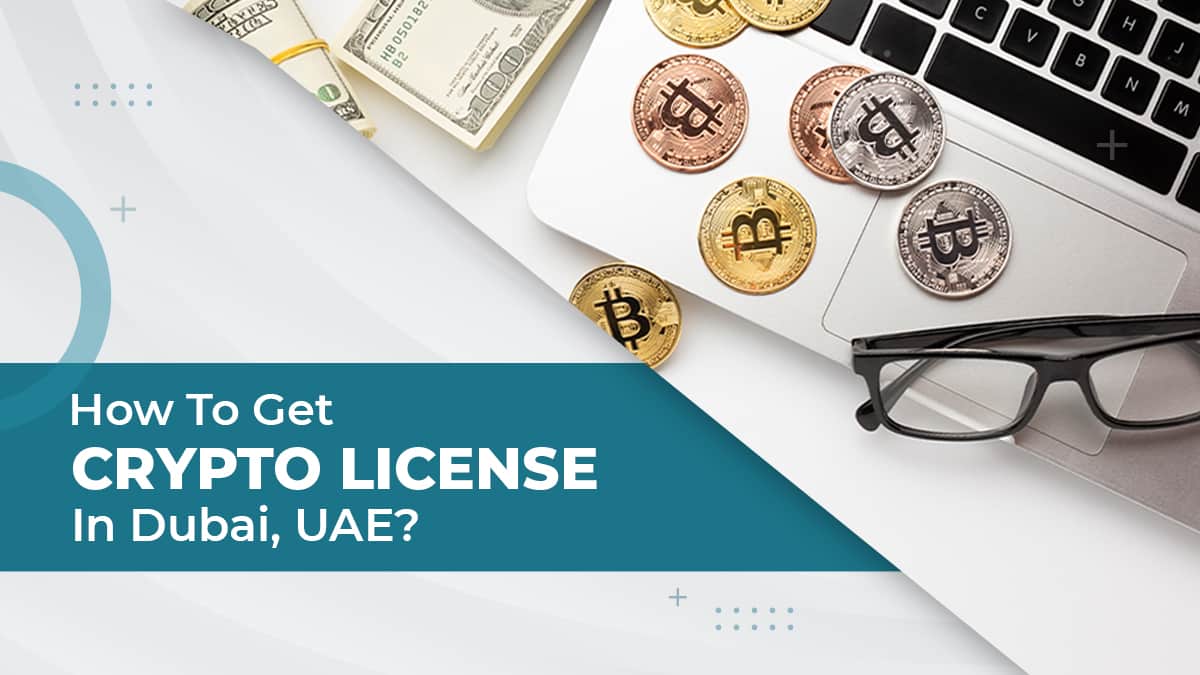
Dubai is rapidly emerging as a leading destination for crypto and blockchain businesses. The establishment of the Virtual Assets Regulatory Authority (VARA) in 2022 has introduced clear regulations, making it easier and safer for entrepreneurs to operate crypto exchanges, wallet services, NFT platforms, and other digital asset ventures.
Additionally, Dubai’s business-friendly environment, low taxes, and efficient setup process make it an attractive choice for entrepreneurs and investors entering the fast-growing crypto market.
A crypto license in Dubai is the official authorization required to operate a business in the digital assets sector. This license permits legal activities such as crypto trading, exchange services, advisory, token issuance, and blockchain solutions. It also ensures compliance with key regulations, including anti-money laundering (AML) and customer protection standards.
Dubai stands out for its combination of regulatory clarity and global business opportunities. The government has clearly defined permitted and restricted activities. At Shuraa Business Setup, we offer professional support to help you obtain a crypto license in the UAE, ensuring a smooth and compliant process.
If you are interested in entering Dubai’s crypto market, here is a guide to obtaining a crypto license and the key information you need before starting.
What is a Crypto License in Dubai?
A crypto license in Dubai is official approval for businesses to operate legally in the digital asset sector. It confirms compliance with government regulations, upholds industry standards, and fosters trust with clients and investors. Operating without a license may result in penalties or legal action.
Activities Covered Under Crypto License in the UAE:
The license encompasses a broad range of activities within the crypto and blockchain sector, including:
- Exchange Services: Operating a platform, such as a CEX or DEX, that enables trading, conversion, or exchange between Virtual Assets and fiat currency, or between different Virtual Assets.
- Broker-Dealer Services: Serving as an intermediary for buying, selling, or transmitting orders for Virtual Assets on behalf of clients.
- Custody Services: Securing and safeguarding clients’ Virtual Assets, often including private key management.
- Advisory Services: Providing professional advice or recommendations on Virtual Asset investments.
- Lending and Borrowing Services: Facilitating lending, staking, or other yield-generating activities involving Virtual Assets.
- Management and Investment Services: Managing portfolios or funds that include Virtual Assets.
- Transfer and Settlement Services: Operating wallets and facilitating peer-to-peer transfers of Virtual Assets.
- VA Issuance (Category 1): Licensing the issuance of specific Virtual Assets, such as stablecoins.
If your business engages with cryptocurrencies or other digital assets, you will likely require a crypto license in Dubai or the UAE to operate legally and securely.
Regulatory Authorities for Crypto Businesses in Dubai
Dubai regulates cryptocurrency and digital assets through several authorities, each responsible for specific areas of the sector.
Virtual Assets Regulatory Authority (VARA)
VARA is Dubai’s primary regulator for crypto and digital assets outside the DIFC. It ensures that businesses such as crypto exchanges, wallet providers, and blockchain advisory firms operate legally and comply with established regulations. Obtaining a VARA license helps companies maintain compliance, build investor trust, and avoid penalties. VARA exclusively oversees virtual asset activities within Dubai, except for the Dubai International Financial Centre (DIFC).
Dubai Financial Services Authority (DFSA):
The DFSA regulates crypto businesses operating within the Dubai International Financial Centre (DIFC). Businesses based in the DIFC or serving high-end financial clients require a DFSA license. The DFSA covers activities such as trading, custodial services, and crypto advisory, ensuring companies meet rigorous compliance standards.
Dubai Multi Commodities Centre (DMCC):
DMCC is a Dubai free zone that supports crypto businesses through its Crypto Centre. It facilitates licensing for trading, blockchain software, and consulting activities. DMCC provides infrastructure, tax advantages, and a supportive environment for both startups and established companies.
Dubai Airport Freezone Authority (DAFZA):
DAFZA is a Dubai free zone located near the airport, making it suitable for companies targeting international markets. It permits crypto trading and digital asset businesses through approvals in partnership with the Securities and Commodities Authority (SCA), while offering free zone benefits.
Abu Dhabi Global Market (ADGM):
ADGM is Abu Dhabi’s international financial free zone with a dedicated framework for crypto and blockchain businesses. It licenses activities such as exchanges, wallet services, token issuance, and consultancy. ADGM is suitable for companies seeking to operate under Abu Dhabi regulations while serving global clients.
The appropriate regulatory authority depends on your business’s location and activities. VARA is the leading authority for crypto companies in Dubai, excluding the DIFC. DMCC offers a supportive environment for crypto ventures, ADGM serves companies establishing in Abu Dhabi, and DAFZA provides opportunities for businesses near Dubai International Airport.
Types of Crypto Licenses in Dubai (VARA License)
The Virtual Assets Regulatory Authority (VARA) issues crypto licenses to businesses operating in Dubai, excluding those in the DIFC. This license permits activities such as crypto trading, exchange services, digital wallets, NFTs, and advisory services.
If your company offers any of these services, you must obtain the appropriate license:
Crypto Trading License
This license is for businesses that buy, sell, or exchange cryptocurrencies. It enables brokers, traders, and platforms to operate legally in Dubai while complying with anti-money laundering (AML) and other regulatory requirements.
Crypto Exchange License
Companies operating full-scale exchange platforms require this license. It covers user-to-user trading, liquidity management, and platform operations, ensuring compliance with Dubai’s standards and enhancing credibility with investors and clients.
Blockchain & Distributed Ledger Technology (DLT) License
This license is for businesses developing blockchain applications or offering DLT solutions. It is suitable for startups and tech companies working on smart contracts, tokenisation platforms, or blockchain-based services in sectors such as finance, healthcare, and logistics.
NFT & Metaverse License
This license is for companies that create, manage, or trade NFTs and virtual assets, including NFT marketplaces, digital art platforms, and metaverse projects. It allows businesses to operate legally in Dubai’s virtual asset sector and supports investor and client confidence.
Crypto Consultancy & Advisory License
This license permits firms to provide professional guidance in the crypto and blockchain sectors, including market research, token strategy, blockchain implementation, and investment consulting. It ensures advisory businesses operate within Dubai’s regulatory framework and enhances client credibility.
Crypto Proprietary Trading License
This license is for companies trading cryptocurrencies with their own funds rather than on behalf of clients. It is suitable for trading firms, hedge funds, or startups seeking to profit from market movements while maintaining complete control over investments. As with other crypto activities in Dubai, a proper license and compliance with KYC/AML rules are required, along with approvals from authorities such as VARA, DMCC, DIFC, or ADGM.
Crypto License Offered by Top Free Zones & Jurisdictions in the UAE
To support legal business operations and enhance investor confidence, the UAE offers various crypto licenses based on the type of digital asset activity and chosen jurisdiction.
IFZA Crypto License
The IFZA Crypto License offers a free zone setup with simplified requirements and lower costs. It suits startups trading cryptocurrencies, providing wallet services, or offering blockchain consultancy. IFZA license holders must comply with UAE regulations.
DMCC Crypto License
The DMCC Crypto License, available through Dubai Multi Commodities Centre’s Crypto Centre, is intended for companies developing blockchain applications, operating exchanges, or providing crypto consultancy. DMCC is a leading free zone for crypto businesses, known for its infrastructure, investor network, and tax advantages.
DIFC Crypto License
The DIFC Crypto License, regulated by the Dubai Financial Services Authority (DFSA), is required for businesses in the Dubai International Financial Centre. It is suited for financial services, crypto exchanges, custodial services, and advisory firms targeting global investors. DIFC licensing ensures robust compliance and access to Dubai’s economic ecosystem.
Abu Dhabi Global Market (ADGM) License
The ADGM Crypto License, issued by ADGM, supports exchanges, token issuance, wallet services, and blockchain consultancy. This license enables compliance with Abu Dhabi regulations and access to international markets.
Dubai World Trade Centre (DWTC) Crypto License
The DWTC Crypto License, regulated by the Virtual Assets Regulatory Authority (VARA), supports large-scale crypto exchanges, DeFi platforms, and blockchain enterprises with global ambitions. DWTC offers a business-friendly environment, advanced infrastructure, and direct access to Dubai’s financial and technology sectors.
Eligibility Criteria for Getting a Crypto License in Dubai
Obtaining a crypto license in Dubai requires more than completing paperwork. Your business must demonstrate trustworthiness, sound planning, and readiness to operate securely in the digital assets market. Regulators typically assess the following criteria:
Minimum Capital Requirements:
Minimum capital requirements vary by license type and free zone. For example:
- VARA (Dubai mainland): Usually between AED 1 million and AED 5 million, depending on your services.
- DIFC: Starts around AED 1.8 million but can go higher if you handle custody or trading operations.
- ADGM (Abu Dhabi): Around AED 917,500 and up, depending on your business scope.
- DMCC and IFZA Free Zones: Typically more flexible, with minimum capital starting from AED 50,000, making them suitable for startups.
KYC and AML Compliance:
Dubai crypto authorities strictly enforce Know Your Customer (KYC) and Anti-Money Laundering (AML) regulations. Your business must:
- Verify the identity of all clients and assess risks.
- Keep detailed transaction records for several years.
- Report suspicious activity to authorities.
- Follow rules for international fund transfers.
Approved Business Plan
Applicants are required to submit a comprehensive business plan that includes:
- Business Activities: Clear description of services and operations, including crypto-proprietary trading, if applicable.
- Market Analysis: Understanding of the target market and competition.
- Financial Projections: Forecasts of revenue, expenses, and profitability.
- Risk Management: Strategies to mitigate potential risks.
Required Documents for Obtaining a Crypto License in Dubai
To operate a crypto business legally in Dubai, you must submit the following documents to the appropriate regulatory authority or free zone.
- Passport copies of all shareholders, directors, and beneficial owners
- Detailed business plan
- Bank reference letter
- Police clearance certificates for all shareholders and directors
- Company incorporation documents (MoA, trade name reservation, initial approvals)
- Lease agreement for office space (or flexi-desk arrangement in some free zones)
- AML/KYC policies and internal compliance procedures
- Proof of minimum share capital, such as a bank statement or a letter confirming the deposit
How to Get a Crypto License in Dubai
Obtaining a crypto license in Dubai is straightforward if you follow the correct procedures.
1. Select the Appropriate Jurisdiction
Your first key decision is to select the regulatory authority that best fits your business model. Dubai offers several leading options:
- VARA (Virtual Assets Regulatory Authority): The primary regulator for Dubai, excluding DIFC and ADGM. Suitable for businesses targeting the broader UAE market.
- DMCC: A popular free zone recognized for its Crypto Centre and support for trading, asset management, and custody services.
- DIFC (Dubai International Financial Centre): A common-law jurisdiction regulated by the DFSA, ideal for businesses seeking an internationally recognized financial framework.
- ADGM (Abu Dhabi Global Market): Based in the capital, this well-regulated hub under the FSRA appeals to leading financial service providers.
2. Meeting Regulatory Requirements
After selecting your jurisdiction, prepare for a comprehensive review. Regulators require strong operational frameworks. Key requirements include:
- Fit and Proper Tests: Comprehensive background checks on all shareholders, directors, and senior management.
- AML/CFT & KYC Frameworks: Demonstrable policies for Anti-Money Laundering, Combating the Financing of Terrorism, and Know-Your-Client procedures.
- Financial Soundness: Proof of sufficient capital to meet minimum requirements and sustain operations.
- Internal Governance: Detailed manuals covering risk management, data protection, and corporate governance.
3. Sign Lease Agreement & Establish Office
Authorities require proof of a physical office or flexi-desk, depending on the jurisdiction:
- Provides a legal business address for correspondence
- Demonstrates operational readiness.
- Some free zones permit shared or virtual office arrangements for startups.
4. Submit Your Application
Submit your application to the relevant authority (VARA, DMCC, DIFC, or ADGM), including all required documents and the application fee. Some jurisdictions may require pre-approval interviews or presentations.
5. Regulatory Review
The authority will review your documents, business model, and compliance measures. They may request additional information or clarification. Approval usually takes four to six weeks, depending on the jurisdiction and the completeness of your application.
6. Obtain Crypto License and Launch
After all documents, compliance checks, and office arrangements are verified, the authority will issue the crypto license. This license authorizes you to conduct crypto activities in Dubai or your chosen jurisdiction. Ensure ongoing compliance with all regulatory requirements following license issuance.
7. Banking and Financial Operations
A corporate bank account is essential for managing crypto operations. Many UAE banks now support crypto-related businesses, subject to regulatory approval. You will need your license, company documents, and shareholder information to open an account.
Cost of a Dubai Cryptocurrency License
The cost of obtaining a crypto license in Dubai depends on the license type, the regulatory authority, and the services you intend to offer.
Applying through VARA (Virtual Assets Regulatory Authority), the primary regulator for exchanges, custody providers, and broker-dealers, typically involves higher costs. Application fees range from approximately AED 40,000 to AED 100,000. Annual supervision fees are also substantial.
Other free zones, such as IFZA, offer entry-level crypto or blockchain licenses starting from AED 15,000 to 40,000. These licenses are generally limited to consulting, software development, or support services, and do not cover full trading or exchange platforms.
In addition to license fees, consider additional expenses such as office space, compliance personnel, legal and advisory services, audits, and visas. These costs can accumulate quickly, so it is advisable to budget beyond the basic license fee.
Why Choose the UAE for Obtaining a Crypto License?
Obtaining a crypto license in the UAE provides significant opportunities for business growth. The following points highlight the key advantages:
- Global Recognition: Dubai is emerging as a leading center for blockchain and digital assets. A license from Dubai enhances credibility and facilitates engagement with international investors and partners.
- Regulatory Clarity: Dubai offers a well-defined regulatory framework for crypto businesses, assuring that your operations comply with legal requirements.
- Investor and Customer Trust: Licensing demonstrates reliability and security to clients, partners, and investors. In an industry where scams are prevalent, this trust is essential.
- Access to Banking and Financial Services: UAE banks are more willing to work with licensed crypto companies. Without a license, securing and maintaining business banking services is often challenging.
- Legal Protection: Dubai crypto license ensures your business is protected under UAE law, reducing the risk of penalties, shutdowns, or disputes.
- Flexibility of Jurisdictions: Dubai offers a range of licensing options through VARA, DMCC, DIFC, IFZA, and others, allowing you to choose the most suitable option for your budget and business model.
Is Earning from Cryptocurrency Taxable in the UAE?
Many crypto investors and businesses are attracted to the UAE for its tax-friendly environment. Individuals do not pay personal income tax in Dubai or elsewhere in the UAE. As a result, gains from trading or investing in crypto as an individual are generally not taxed.
For businesses, the rules differ. The UAE imposes a 9% corporate tax on profits exceeding AED 375,000. If your company is registered and licensed to engage in crypto activities, these profits may be subject to corporate tax. However, free zones may offer incentives such as tax holidays or exemptions, depending on your license and business activities.
The UAE is committed to global compliance standards. Crypto businesses must adhere to strict AML (Anti-Money Laundering) and KYC (Know Your Customer) regulations, regardless of favorable tax treatment.
Simplify Your Crypto Licensing Process
Dubai is recognised as a leading destination for crypto and blockchain businesses. Obtaining a crypto license in Dubai ensures regulatory compliance, builds trust, and positions your business for long-term success.
If you are ready to begin, the process can be straightforward. Shuraa Business Setup offers comprehensive support, from selecting the appropriate jurisdiction to managing paperwork, compliance, and final license issuance. We ensure your crypto licensing experience in Dubai is efficient and stress-free.
Frequently Asked Questions (FAQs)
1. Is cryptocurrency legal in the UAE?
Yes, cryptocurrency is legal in the UAE. All crypto-related activities must be regulated and licensed by approved authorities such as VARA, DMCC, DIFC, or ADGM.
2. How do I obtain a crypto license in Dubai?
Select the appropriate jurisdiction (e.g., VARA or DMCC), prepare a business plan, meet compliance requirements (AML/KYC), submit the required documents, and obtain regulatory approval.
3. Do I need a license to trade crypto in Dubai?
Individual investors do not need a license to trade crypto. However, operating a crypto business, such as an exchange, wallet service, or advisory firm, requires a permit.
4. How much does it cost to get a crypto license in Dubai?
The cost of obtaining a crypto license in Dubai varies by jurisdiction and business activity. In free zones such as DMCC, a basic permit typically costs between AED 15,000 and AED 40,000. A mainland license through VARA can exceed AED 150,000.
Initial setup costs usually range from AED 20,000 to AED 50,000. Total first-year expenses, including office space, regulatory fees, and compliance, can reach AED 100,000 or more. Annual fees for supervision, compliance, and office space are separate and may significantly increase operational costs.
5. How can I open a cryptocurrency account in the UAE?
You can open a crypto trading account with a licensed exchange or platform in the UAE by completing KYC verification and linking your UAE bank account.
6. Which cryptocurrencies are legal in Dubai?
Dubai permits trading in approved cryptocurrencies, including Bitcoin, Ethereum, and other virtual assets, through licensed exchanges under VARA or in free zones.
7. What are the authorised crypto companies in the UAE?
Regulators such as VARA, DMCC, DIFC, or ADGM license authorized companies, including exchanges, trading platforms, custody providers, and advisory firms.
8. Is crypto tax-free in Dubai?
Yes, individuals do not pay personal income tax on crypto earnings. Registered companies may be subject to the UAE’s 9% corporate tax, depending on their profits and jurisdiction.
9. Can foreigners start a crypto business in Dubai?
Yes, both UAE nationals and foreigners can apply for a crypto license. Many free zones and VARA permit 100% foreign ownership.
10. How long does it take to get a crypto license in Dubai?
Obtaining a crypto license in Dubai typically takes 4 to 8 months, depending on the regulator, business activity, and the timely submission of documents and compliance requirements.
Disclaimer: This information is for general guidance only and may change with updates to government policies or regulations.