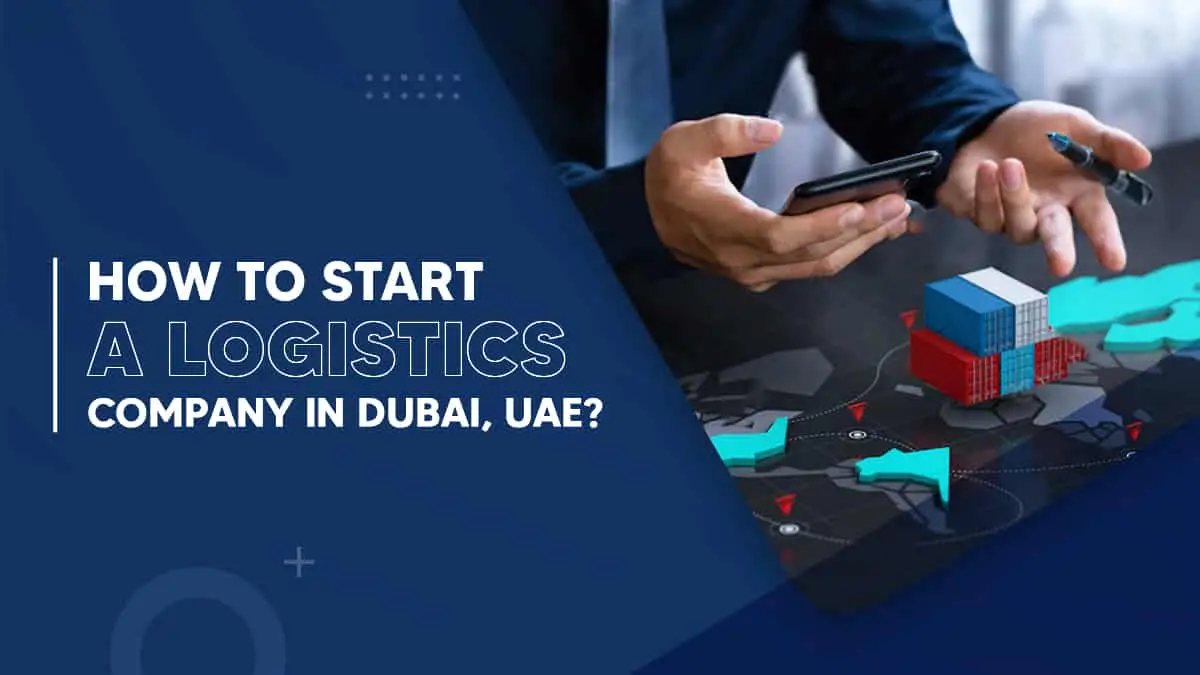
Imagine a city where packages move faster than ever, where businesses can ship goods across continents in hours, and where logistics is not just an industry but the backbone of global trade. That city is Dubai. With its world-class ports, cutting-edge airports, and strategically located free zones, Dubai has transformed into a logistics powerhouse, connecting over 3 billion consumers across Asia, Europe, and Africa.
The logistics industry plays a significant role in keeping Dubai’s economy strong. From e-commerce and retail to manufacturing and construction, almost every industry depends on smooth and efficient logistics. The UAE government continues to invest heavily in infrastructure and technology to improve supply chain operations.
Starting a logistics business in Dubai is a great opportunity, thanks to its business-friendly environment, 100% foreign ownership options, and tax advantages. Therefore, we’ll take you through everything you need to know to launch your logistics business in Dubai successfully.
What Is a Logistics License in Dubai?
A logistics license in Dubai is a legal permit that allows businesses to operate in the logistics and supply chain sector, including freight forwarding, transportation, warehousing, and distribution services. This license is essential for companies involved in the movement, storage, and management of goods within Dubai and internationally.
The Department of Economic Development (DED) issues logistics licenses for mainland businesses in Dubai. However, if you want to set up in a free zone, the respective Free Zone Authority will issue the permit.
Understand the Logistics Industry in the UAE
The logistics industry in the UAE is a cornerstone of the nation’s economy, leveraging its strategic location to serve as a global trade nexus. In 2024, the UAE logistics market generated a revenue of USD 169.7 billion and is projected to reach USD 241.6 billion by 2030, growing at a Compound Annual Growth Rate (CAGR) of 6.1% from 2025 to 2030.
Transportation services emerged as the largest revenue-generating segment in 2024; while warehousing and distribution services are anticipated to experience the fastest growth during the forecast period.
The UAE’s strategic investments in infrastructure have significantly bolstered its logistics capabilities. For instance, in 2023, Dubai International Airport (DXB) managed 2,112,336 tonnes of freight, reflecting a robust air cargo sector.
Despite challenges, including geopolitical tensions affecting maritime routes, the UAE’s logistics sector remains resilient. Companies like DP World have experienced fluctuations due to increased financing costs and regional instabilities, yet the overall industry outlook remains positive.
Types of Logistics Businesses in Dubai
Here are the key types of logistics businesses you can start in Dubai:
- Freight Forwarding: These companies specialise in arranging the shipment of goods on behalf of shippers. Their services include organising cargo transportation, handling customs clearance, managing documentation, and ensuring timely delivery by coordinating with multiple carriers.
- Warehousing and Storage: Businesses that provide storage facilities for goods. This category includes traditional warehousing, cold storage for perishables, and specialised storage solutions like bonded warehouses for imported goods pending customs clearance.
- Transportation and Distribution: Companies focusing on the physical movement of goods, including road, air, and sea transport. These firms may operate fleets of trucks, vans, or even specialised vehicles, managing both local distribution and international shipments.
- Courier and Express Delivery Services: Firms offering rapid and reliable delivery for smaller packages. This segment caters primarily to the e-commerce and retail sectors, focusing on last-mile delivery, time-sensitive shipments, and same-day services.
- Supply Chain Management and 3PL Services: Third-party logistics (3PL) providers manage a client’s entire supply chain operations. This includes everything from procurement and inventory management to order fulfilment and reverse logistics, often leveraging technology for real-time tracking and analytics.
- E-commerce Fulfilment: With the boom in online shopping, specialised fulfilment centres offer integrated services including inventory management, order processing, packaging, and shipping directly to customers.
Why Choose UAE for Logistics Business Setup
Setting up your logistics company in Dubai comes with several advantages, including:
- Tax Advantages: Dubai offers a tax-friendly environment with 0% corporate tax for qualifying free zone entities, 0% customs duties on re-exported goods, and no personal income tax.
- Diverse Market & High Demand: Dubai’s growing eCommerce, retail, and import-export sectors drive high demand for logistics services, providing abundant business opportunities.
- 24/7 Cargo Operations: Unlike many global logistics hubs, Dubai’s ports, airports, and logistics facilities operate round the clock. This ensures faster processing and delivery times for cargo movement.
- Low Import & Re-Export Costs: Dubai has minimal import duties (often 5% or less) and zero re-export duties, making it highly cost-effective for logistics companies managing international shipments.
- Expanding E-Commerce Sector: With e-commerce booming in the Middle East, logistics businesses in Dubai can capitalise on increased demand for warehousing, last-mile delivery, and fulfilment services.
How to Start a Logistics Business in Dubai
Starting a logistics business in Dubai can be a highly profitable venture, given its world-class infrastructure, strategic location, and pro-business government policies. Whether you’re focusing on freight forwarding, warehousing, or supply chain management, here’s a comprehensive step-by-step roadmap to help you get started.
Step 1: Define Your Logistics Business Activity
Start by identifying the specific type of logistics services you want to offer. This step is critical, as your chosen activity will determine your licensing requirements, government approvals, and operational scope.
Common Logistics Activities Include:
- Freight Forwarding
- Warehousing & Storage
- Transportation & Distribution
- Courier & Last-Mile Delivery
- Third-Party Logistics (3PL) & Supply Chain Management
Why it matters: Each activity may require different permits and authority approvals (e.g., RTA, Dubai Customs, Civil Aviation, Maritime).
Step 2: Choose the Right Location (Mainland or Free Zone)
You must decide whether to establish your business in the mainland or a free zone.
Mainland Setup:
- Requires approval from the Department of Economic Development (DED) and the Roads and Transport Authority (RTA) (for transportation).
- Can operate across the UAE without restrictions.
- Must appoint a Local Service Agent for freight-related business.
- Eligible for government contracts and public sector clients.
Free Zone Setup:
- Allows 100% foreign ownership.
- Enjoy limited corporate and zero personal income tax.
- Operations are limited to within the free zone unless partnered with a mainland distributor.
- Ideal for international trade and import/export.
Popular Free Zones for Logistics in Dubai:
- Jebel Ali Free Zone (JAFZA)
- Dubai South Free Zone
- Dubai Logistics City (DLC)
- Dubai Airport Free Zone (DAFZA)
- International Free Zone Authority (IFZA)
Step 3: Choose the Business Legal Structure
Select a legal entity based on your ownership preferences, liability coverage, and investor participation.
Common Structures:
- Sole Proprietorship
- Limited Liability Company (LLC)
- Free Zone Establishment (FZE) – single shareholder
- Free Zone Company (FZCO) – multiple shareholders
Step 4: Reserve and Register Your Trade Name
Choose a unique business name and ensure it adheres to UAE naming guidelines:
- No offensive or religious terms
- Must reflect the business activity
- Should not duplicate existing names
Apply for initial approval from:
- DED (for mainland setup)
- Relevant Free Zone Authority (for free zone setup)
Step 5: Apply for the Logistics License
Obtain your logistics license from:
- Department of Economic Development (DED) for mainland
- Free Zone Authority for free zone businesses
Additional approvals may be required based on services:
- RTA – for transport businesses (commercial vehicles, delivery, logistics)
- Dubai Civil Aviation Authority – for air cargo services
- Dubai Maritime City Authority – for marine freight/shipping services
Step 6: Complete Company Registration
Register your company officially with the relevant authority. Submit all necessary documents:
- Passport copies of shareholders
- Proof of business address
- Initial approval and trade name certificate
- MOA (Memorandum of Association)
Step 7: Register with Dubai Customs
If your business involves importing or exporting goods, you must register with Dubai Customs to obtain a Customs Code.
This is essential for:
- Freight Forwarding
- 3PL & Supply Chain Management
- International trade and logistics
Step 8: Secure Office and Warehouse Space
For Mainland Businesses:
- Must rent a physical office space as per DED requirements.
- Warehouse space may be necessary for storage or distribution activities.
For Free Zone Businesses:
- May operate from an E-office, depending on the zone.
- However, warehouse space is often mandatory for logistics or freight-related services.
Step 9: Open a Business Bank Account
Choose a UAE-based bank experienced in handling logistics businesses. Provide:
- Valid trade license
- Shareholder passport copies
- Company MOA
- Business address proof
Pro Tip: Consider banks that support international transactions, trade financing, and customs-linked accounts.
Step 10: Hire Staff and Register with Labour Authorities
Recruit skilled personnel such as:
- Freight & Logistics Managers
- Drivers (with RTA permits)
- Customs Clearance Experts
- Warehouse Operators
- Admin & Support Staff
You must:
- Register your company with the Ministry of Human Resources & Emiratisation (MOHRE)
- Apply for an establishment card from the GDRFA
- Provide Emirates IDs and work visas for your staff
Step 11: Acquire Vehicles and Equipment
If your logistics operations involve transportation:
- Purchase or lease vehicles (delivery vans, trucks, trailers)
- Register them with the RTA as commercial vehicles
- Ensure drivers have valid RTA commercial driving licenses
- Install GPS and fleet management tools (recommended)
You may also need:
- Material handling equipment (forklifts, pallet jacks)
- Cold storage or temperature-controlled units (if handling perishables)
Step 12: Obtain Final Approvals (if applicable)
Before going operational, ensure you have received:
- Final logistics license
- RTA approval (if transport is involved)
- Dubai Customs Code
- Approval from Aviation or Maritime Authorities (if air or sea cargo is engaged)
Step 13: Comply with UAE Business Regulations
- Register for Corporate Tax UAE (if applicable)
- Maintain proper financial records and file returns on time
- Comply with health and safety regulations for warehouses, vehicles, and staff
- Adhere to trade compliance for import/export processes.
Step 14: Final Step: Start Operations
Once all licenses, approvals, and infrastructure are in place:
- Launch marketing and client onboarding
- Set up logistics software or ERP systems
- Begin operations — and scale smartly!
Start Your Logistics Company in the UAE Today!
Documents Required to Start a Logistics Business in Dubai
To start a logistics company in Dubai, you’ll need to submit the following documents:
- Passport copies of all shareholders
- Copies of the visit or residence visas of the shareholders are required.
- Passport copy and CV of the company’s manager
- Proof of trade name reservation
- Initial activity approval from the relevant authority
- Legal agreement for a physical office or warehouse address in the UAE
- Proof of payment for the trade license
Ensuring these documents are in order will help streamline the application process and get your logistics business up and running in no time.
What is a License Cost for Logistics Company in Dubai
The license cost for a logistics company in Dubai typically ranges between AED 11,900* to AED 28,000* or more, depending on the business setup, license type, and operational requirements. Whether you choose a free zone or mainland setup, several factors will influence the final cost of launching your logistics business.
Example Cost Breakdown:
- Free Zone License (Zero Visa Quota): Starts from AED 11,900*
- Mainland License (E-Office): Starts from AED 25,500*
Key Factors Influencing License Cost
- Business Location:
- Free Zone: Typically, more affordable, with packages designed for startups and SMEs.
- Mainland: Generally, more expensive but offers greater flexibility for trading within the UAE.
- Type of License: Logistics licenses may include categories like cargo handling, transport, or general trading, each carrying different fee structures.
- Visa Quota Requirements: The more visas your company needs, the higher your total cost will be due to immigration and administrative charges.
- Operational Needs: Expenses like office rent, warehouse space, and regulatory approvals also affect the total investment.
Note: The costs mentioned above are average estimates. The actual cost may vary depending on your business structure and several other factors.
Additional Costs to Consider
- Office or Warehouse Rent – Separate from license fees
- Visa & Immigration Fees – Based on the number of employees
- Government Approvals – Required for certain logistics activities
- Customs Code Registration – If dealing with import/export operations
Pro Tip: Get Expert Help!
Since the license cost for a logistics company in Dubai can vary widely based on your business model and operational scope, it’s highly recommended to consult with Shuraa business setup expert. They can offer customised guidance, help you select the right jurisdiction, and ensure a smooth, compliant launch of your logistics venture.
How Shuraa Business Setup Can Help
In today’s fast-paced world, businesses rely on efficient logistics to keep things moving. Whether it’s transporting goods, managing supply chains, or ensuring timely deliveries, the logistics industry is the backbone of global trade, and Dubai is at the heart of it all.
However, starting a logistics business in Dubai isn’t just about securing a license; it’s about making the right choices from the start. From selecting the best jurisdiction (mainland or free zone) to understanding compliance rules and operational costs, every decision matters.
That’s where Shuraa Business Setup comes in. Our team of experts will guide you through business registration, licensing, visa processing, and PRO services, ensuring a smooth and cost-effective setup.
Let us handle the complexities while you focus on building a successful logistics business. Get in touch with us today, and let’s get your business moving forward.
Frequently Asked Questions (FAQs)
1. How can I set up a logistics company in Dubai?
To start a logistics business in Dubai:
- Choose a location between the mainland or the free zone.
- Apply for a logistics license through DED or a Free Zone Authority.
- Secure office/warehouse space.
- Register with customs (essential for import/export activities).
- Obtain approvals from Dubai Customs, RTA, and other authorities.
- Set up a bank account, insurance, visas, and permits.
- Follow UAE trade, tax, and safety regulations.
2. Which free trade zone is best for a logistics business in Dubai?
Some of the top free zones for logistics businesses include Jebel Ali Free Zone (JAFZA), Dubai South Free Zone, Dubai Airport Free Zone (DAFZA), and IFZA. Each offers unique benefits such as tax exemptions, streamlined company setup processes, and access to ports and airports.
3. What should I consider before setting up a logistics business?
Key factors to consider include business structure (mainland or free zone), location, license type, warehouse and transportation needs, customs regulations, and operational costs.
4. Do I need special approvals for a logistics business in Dubai?
Yes, logistics businesses handling freight forwarding, warehousing, and customs clearance require approvals from authorities like the Dubai Customs, Roads and Transport Authority (RTA), and Free Zone Authorities (if applicable).
5. How much does a logistics company license cost in Dubai?
In Dubai Mainland, a logistics license starts from AED 25,500*, but additional costs for office space, visas, customs approvals, and insurance may apply.
6. Why Start a Logistics Business in Dubai or UAE?
- Strategic Location: Dubai is a gateway between East and West, ideal for global trade.
- World-Class Infrastructure: State-of-the-art ports, airports, and free zones.
- Tax Benefits: No corporate or personal income tax in free zones.
- Growing Demand: Increasing e-commerce and trade activities boost logistics needs.
Disclaimer: The information in this post is for general guidance only and may change due to updates in government policies or regulations.