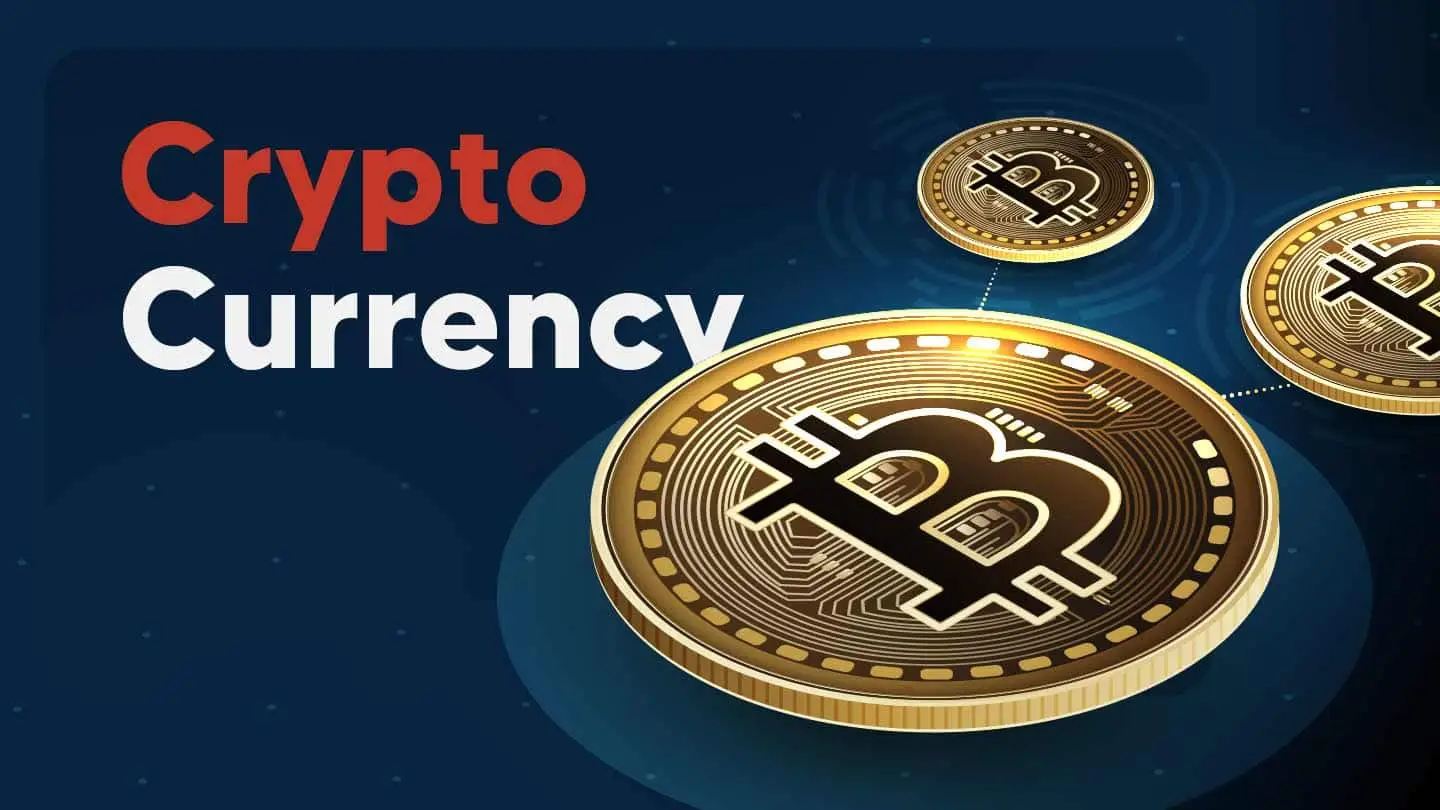
Navigating the world of digital currencies can be complex, especially in a region as dynamic as the United Arab Emirates. With the UAE emerging as a global hub for blockchain innovation and fintech, understanding the cryptocurrency regulations in UAE is essential for investors, startups, and businesses alike.
This comprehensive guide breaks down the current legal framework, licensing requirements, and compliance obligations to help you confidently operate within the UAE’s rapidly evolving crypto landscape.
Is Crypto Trading Legal in Dubai, UAE?
Yes, crypto trading is legal in Dubai, UAE. Digital assets such as Bitcoin, Ethereum, and even emerging tokens like Pi coin can be traded legally within the emirate. The regulatory framework is overseen by key authorities, including the UAE Securities and Commodities Authority (SCA), the Dubai Financial Services Authority (DFSA), and the Virtual Assets Regulatory Authority (VARA). These bodies ensure compliance through licensing, anti-money laundering (AML) regulations, and investor protection guidelines.
The UAE has established itself as a crypto-friendly jurisdiction, handling over $25 billion in crypto transactions in 2022 alone. With more than 1,000 crypto-related firms operating in the region and hubs like the Abu Dhabi Global Market (ADGM) supporting innovation in the space, Dubai continues to attract global investors and blockchain enterprises seeking a regulated and forward-thinking environment for crypto trading.
What is Cryptocurrency in the UAE?
Cryptocurrency in the UAE refers to digital or virtual currencies like Bitcoin, Ethereum, and others recognised and regulated under specific trading, investing, and innovation frameworks.
Legal Status
- Legal & regulated: Cryptocurrencies are legal in the UAE, including in Dubai and Abu Dhabi, but they are regulated to ensure safe trading and prevent money laundering.
- The UAE does not recognise crypto as legal tender (i.e., you can’t use it to pay for goods/services like AED), but it’s permitted as a commodity for trading and investment.
Regulatory Authorities
- VARA (Virtual Assets Regulatory Authority) Dubai: Oversees virtual asset-related activities (e.g., exchanges, custodians).
- ADGM (Abu Dhabi Global Market): Offers a comprehensive framework for crypto businesses under FSRA (Financial Services Regulatory Authority).
Crypto Activities Allowed
- Buying & selling cryptocurrencies (via licensed exchanges)
- Crypto trading platforms (Binance, Bybit, Rain, BitOasis, etc.)
- Crypto custody services
- Blockchain innovation hubs
- Web3 and NFT businesses (with approvals)
Key Requirements
- You need to obtain a crypto license to run a business involving crypto.
- AML/KYC (Anti-Money Laundering / Know Your Customer) compliance is mandatory.
- Only operate through licensed exchanges or regulated free zones (like DIFC, DMCC, or ADGM).
Popular Crypto Zones in the UAE
- DMCC Crypto Centre (Dubai)
- ADGM (Abu Dhabi)
- DIFC Innovation Hub (Dubai)
- Dubai World Trade Centre (DWTC)
Cryptocurrency Regulations in the UAE
As of 2026, the United Arab Emirates (UAE) has established a comprehensive and progressive regulatory framework for cryptocurrencies, aiming to position itself as a global hub for digital assets. Here’s an overview of the current cryptocurrency regulations in the UAE:
Federal-Level Regulations
Central Bank of the UAE (CBUAE)
- Stablecoin Regulation: In June 2024, the CBUAE introduced the Payment Token Services Regulation (Circular No. 2/2024), mandating that all payment tokens be backed by the UAE dirham and issued by CBUAE-approved entities. Businesses have a 12-month grace period to comply, after which only dirham-backed stablecoins will be accepted for crypto payments.
Securities and Commodities Authority (SCA)
- Crypto Assets Activities Regulation (CAAR): Implemented in 2020, CAAR provides a framework for offering, issuing, listing, and trading crypto assets. Entities must obtain an SCA license and adhere to Anti-Money Laundering (AML) and Know-Your-Customer (KYC) standards.
Emirate-Level Regulations
- Dubai – Virtual Assets Regulatory Authority (VARA)
Establishment and Scope: Established under Dubai Law No. 4 of 2022, VARA oversees digital assets in Dubai (excluding the Dubai International Financial Centre). It sets licensing requirements for Virtual Asset Service Providers (VASPs) and enforces AML/CFT policies.
Read more: All you need to know about Dubai Virtual Asset Regulation Law
- Dubai International Financial Centre (DIFC)
Digital Assets Law No. 2 of 2024: This law recognises digital assets as property under English common law principles. The Dubai Financial Services Authority (DFSA) regulates crypto activities within DIFC, distinguishing between security tokens and other crypto assets, and requires entities to obtain appropriate licensing.
- Abu Dhabi Global Market (ADGM)
Spot Crypto Asset Framework: ADGM’s Financial Services Regulatory Authority (FSRA) provides a detailed framework for cryptocurrencies, categorising crypto assets and security tokens separately. It permits services like exchange operations, custody, and advisory, while enforcing rigorous AML and Counter-Terrorism Financing measures.
Taxation and Compliance
- VAT Exemption: As of November 15, 2024, the UAE exempts cryptocurrency transactions from Value-Added Tax (VAT), retroactive to January 1, 2018. This exemption applies to exchange, ownership transfer, and conversion activities.
- Corporate Tax: While individual investors benefit from zero per cent taxes on capital gains and income, crypto businesses operating in Dubai are subject to a 9% corporate tax on annual revenue exceeding AED 375,000, per regulations introduced in 2023.
Read Also: Corporate Tax in the UAE
AML, KYC, and Compliance Standards
- AML and KYC Procedures: VASPs must implement strong AML and KYC processes to prevent illicit activities. This includes verifying the identity of traders and investors and monitoring transactions for suspicious activity.
- FATF Travel Rule: The UAE enforces the Financial Action Task Force’s Travel Rule, requiring VASPs to provide information about the sender and recipient of transactions exceeding AED 3,500, enhancing transparency in virtual asset transfers.
Licensing and Market Participation
- Major Players: In 2026, prominent crypto firms such as Binance, Crypto.com, OKX, and Bybit received VASP licenses, expanding services like exchange, lending, and derivatives trading in the UAE.
- Investment in Binance: Abu Dhabi’s MGX fund invested $2 billion in Binance, marking the most significant institutional investment in the cryptocurrency exchange, highlighting the UAE’s commitment to becoming a crypto innovation hub.
✧ Success Story: Binance in UAE ✧
Won ADGM approval (2023) via AML compliance + local ops. Now UAE’s first fully licensed global exchange with $2B Abu Dhabi backing.
Future Of Crypto Business
The UAE’s strategic approach to cryptocurrency regulation, combining clear legal frameworks, tax incentives, and strong compliance standards, positions it as an attractive destination for crypto businesses and investors. As global regulatory landscapes evolve, the UAE adapts, aiming to maintain its status as a leading digital asset hub.
Read Also: Start a Crypto Business in the UAE
Crypto in the UAE: Role of Free Zones
The UAE is emerging as a global leader in crypto and blockchain. These zones offer business-friendly environments, clear crypto regulations, and strong investor protections. Here’s how they contribute:
1. Abu Dhabi Global Market (ADGM)
- ADGM was the first in the UAE to introduce a complete legal framework for crypto and digital assets.
- The Financial Services Regulatory Authority (FSRA) ensures crypto companies follow international standards for security, anti-money laundering, and consumer protection.
- It has become a trusted hub for global crypto exchanges and custodians.
2. Dubai International Financial Centre (DIFC)
- DIFC launched its Digital Assets Regime in 2024.
- It helps integrate traditional finance with digital assets like crypto and tokenised securities.
- The DIFC Innovation Hub supports fintech and blockchain startups with funding, mentorship, and regulatory guidance.
3. Ras Al Khaimah Digital Assets Oasis (RAK DAO)
- RAK DAO is the UAE’s first free zone focused exclusively on digital and virtual assets.
- It serves Web3 companies, including blockchain developers, NFT platforms, and metaverse projects.
- Offers zero taxes, full foreign ownership, and fast licensing for digital businesses.
4. Dubai Multi Commodities Centre (DMCC)
- The DMCC Crypto Centre is a thriving ecosystem for crypto trading platforms, blockchain companies, and developers.
- It provides access to co-working spaces, expert advisors, and networking opportunities in the crypto space.
Read More: How to Get a Crypto License in DMCC
5. Dubai World Trade Centre (DWTC)
- DWTC was designated as a special zone for virtual assets.
- It focuses on attracting global crypto players through events, partnerships, and regulatory support.
- Aims to become a centre for digital economy growth in the region.
Read More: How to Secure a Crypto License at Dubai World Trade Centre
What Makes These Free Zones Important?
- Clear crypto rules and licensing
- Safe testing environments (sandboxes)
- Global-standard investor protection
- Access to funding, mentorship, and networks
- Less corporate tax
- 100% foreign ownership allowed
Who Regulates Cryptocurrency in the UAE?
Multiple authorities regulate cryptocurrency in the UAE, each overseeing specific aspects of the digital asset ecosystem. These regulators aim to balance innovation with investor protection and financial security.
Key Regulators:
1. Securities and Commodities Authority (SCA)
- ICOs as Securities: ICOs are treated as securities and require full disclosure to protect investors.
- Licensing Crypto Businesses: Exchanges, wallets, and crypto platforms must be licensed under the SCA’s Virtual Asset Regulation (2020).
2. Financial Services Regulatory Authority (FSRA) – ADGM
- Fintech & Crypto Framework: Provides a regulatory structure for crypto activities, focusing on AML/CFT compliance.
- Support for Innovation: Encourages secure digital innovation through balanced regulation.
3. Virtual Assets Regulatory Authority (VARA) – Dubai
- Oversight of VASPs: VARA licenses and monitors virtual asset service providers (VASPs) in Dubai (excluding DIFC).
- Comprehensive Rulebooks: Covers operations, compliance, technology, and market conduct.
4. Dubai Financial Services Authority (DFSA) – DIFC
- Digital Asset Laws: Focuses on fostering digital innovation while protecting investors.
- Customised Regulations: Proposes specific laws for digital assets and tokenised securities.
Licensing & Compliance
Operating in the UAE crypto space requires strict adherence to licensing regimes:
Visual Guide: Steps to Obtain a Crypto License in the UAE
- SCA & VARA Licenses: Required for platforms offering trading, custody, or crypto-related services.
- AML/CTF Compliance: Businesses must meet financial security standards and ensure transparency.
- Licensed Platforms: BitOasis, Binance, and Palmex are officially registered under the UAE regulators.
ICOs and Token Offerings:
- ICOs & STOs: Treated as securities and require SCA approval. Legal consultation is strongly recommended.
- STO Regulation: While specific laws are pending, STOs fall under existing securities guidelines.
- Proposed DLT Regulations: ADGM’s draft “DLT Foundations Regulations 2023” aims to regulate centralised DLT-based fundraising, focusing on governance, disclosure, and insolvency protocols.
The UAE’s regulatory framework for cryptocurrency is strong and evolving, designed to ensure market integrity, investor protection, and technological advancement. Depending on their location and services, entities must align with the appropriate authority—SCA, VARA, FSRA, or DFSA.
Crypto in the UAE Made Simple with Shuraa Business Setup!
The UAE is one of the most crypto-friendly countries in the world, offering clear rules, secure platforms, and strong government support for digital currencies. Whether you’re starting a crypto business, investing, or trading, following the UAE’s licensing and compliance requirements is essential to stay on the right side of the law.
With dedicated crypto zones like DMCC, ADGM, and DIFC and regulators like VARA, SCA, and FSRA, the UAE makes it easier to grow in the digital asset space.
Need Help Getting Started? Call us at +971 4 408 1900 or WhatsApp at +971 50 777 5554. You can also email us at info@shuraa.com — we’re here to help you every step of the way.
Frequently Asked Questions (FAQs)
1. Is Binance legal in the UAE?
Yes, Binance operates legally in the UAE under regulatory authorities like the Dubai Multi Commodities Centre (DMCC) and Abu Dhabi Global Market (ADGM).
2. What are the best crypto exchanges in the UAE?
The best crypto exchanges in the UAE in 2026 are Binance, Bybit, OKX, Kraken and Rain.
3. What challenges does the UAE crypto market face?
The evolving legal framework presents both opportunities and challenges—while progressive regulations attract global players, gaps in regulation highlight the need for clearer systems.
4. What’s the future of crypto in the UAE?
The UAE is building a strong legal and technological foundation for crypto growth, with initiatives like VARA’s rulebooks, DFSA’s token regime, and Abu Dhabi’s Web3 investment fund.
5. What trends are shaping the UAE crypto space?
Emerging trends include asset tokenisation, crypto-based remittance services, and increasing Web3 and blockchain innovations.
Disclaimer: The information in this post is for general guidance only and may change due to updates in government policies or regulations.